Model-year record
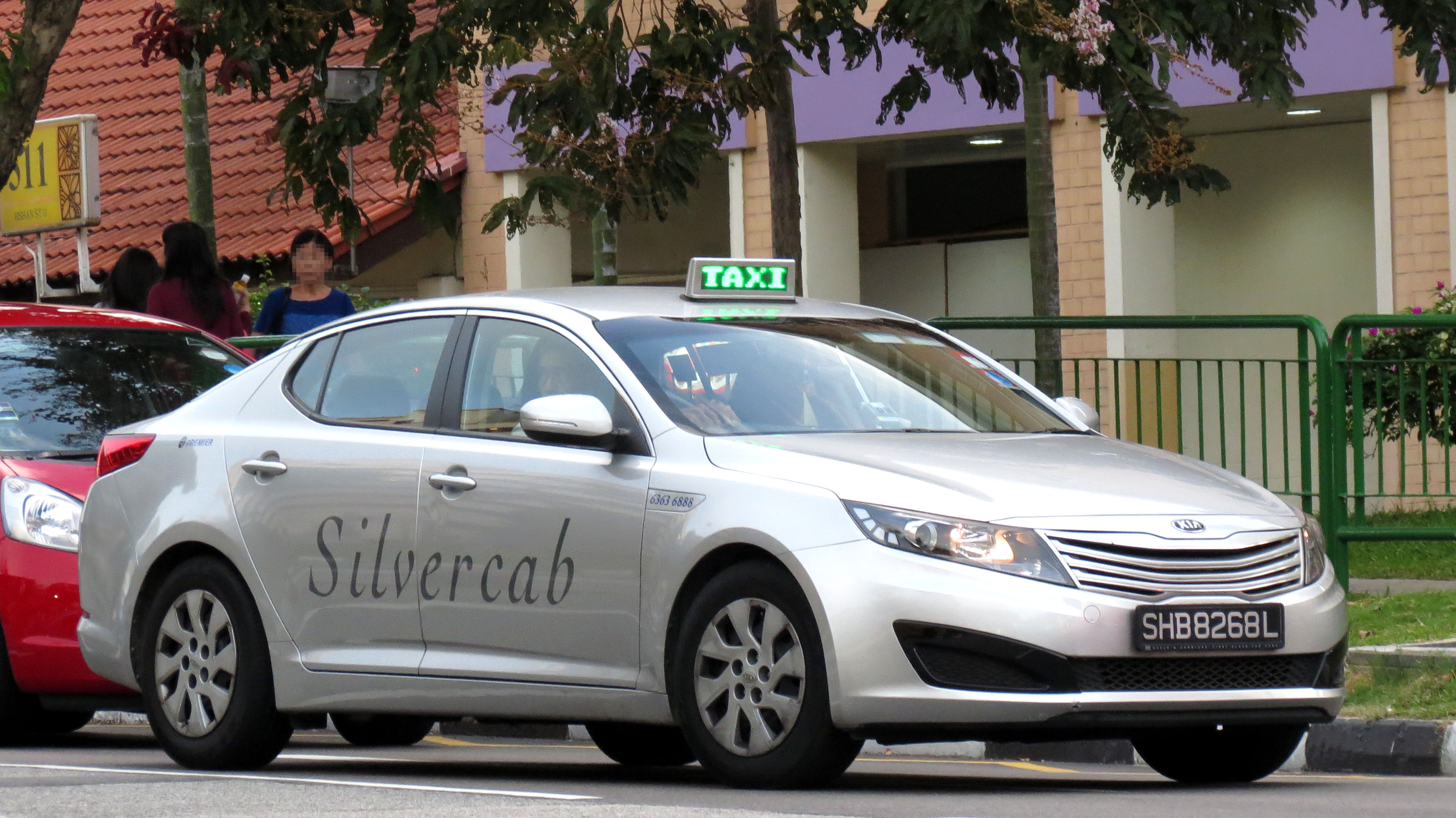
2016 Kia Optima
See the complaints, recalls, crash rating, and fuel economy in the public record. Then check the mileage and history of the car you found.
This page shows records, not a buy or avoid call.
The same model year can include a well-kept car and a neglected one. Use these records to plan what to check. Use the specific-car check when you know the mileage.
Complaints filed
752
Reports to NHTSA, 2016
Safety recalls
5
NHTSA campaigns on record
NHTSA crash test
Overall NCAP rating
Combined MPG
28
EPA estimate
Known issues
Engine issues lead owner complaints (39% of 752 reports), followed by unknown or other (13%).
+ 15 more component categories with fewer reports.
Share of all 752 NHTSA complaints for this model year, grouped by the component owners named. Bars are scaled to the largest category. Examples: ODI 11494464, ODI 11647038, ODI 11547443, ODI 11518501, ODI 11496996.
Individual complaint reports(752)
Showing the 50 most recent reportsUnknown Or OtherJul 2026 · ODI 11750007Details +Close −
NHTSA Bulletin TSB BOD300 My KIA 2016 Optima Turbo has all four windows impacted by the defective gear. I've opened a case with KIA and it's case number 25563361. None of my windows roll up or down. This presents several very serious safety issues. The dealer has had my vehicle for over 2 weeks. Why has KIA not been forced to issue a recall on these defective gears?
- Reported
- Jul 2026
- Incident date
- Sep 2025
- Mileage
- Not provided
- Outcome flags
- None reported
Unknown Or OtherJul 2026 · ODI 11748217Details +Close −
Code was on and off for a cylinder 2 misfire was off at this point (intermittent misfire) ecl was off car stalled out at 3rpms while driving, tiny puff of smoke once came from between the air intake and the engine, and also no crank no start but car has power. I’ve kept up with the oil changes every 3000 miles car had fluids in it and nothing looked bad all 4 spark plugs were burnt and i replaced them and still no success.
- Reported
- Jul 2026
- Incident date
- Jul 2026
- Mileage
- Not provided
- Outcome flags
- None reported
Unknown Or OtherJul 2026 · ODI 11747946 · fireDetails +Close −
I had just stopped at stop sign and I turned right. My speed was approximately 40 mph and there was a LOUD POP. I immediately hit the brakes and had NO BRAKES. I got car off road and smoke was already coming from under hood. It caught fire immediately and burned up. Total loss . About 6 months prior to it burning I had a good bit of front end work done on it with bearing issues. Also put a new set of tires at same time . The coils and plugs were changed often because it would misfire. I purchased car July 2025. All my documents were burnt also .
- Reported
- Jul 2026
- Incident date
- Apr 2026
- Mileage
- Not provided
- Outcome flags
- Fire
VisibilityJun 2026 · ODI 11745895Details +Close −
The contact owns a 2016 Kia Optima. The contact stated that while driving 10 MPH, the front driver’s and passenger’s side windows lowered unintendedly. Neither the dealer nor an independent was contacted. The vehicle was not taken to the dealer or an independent mechanic to be diagnosed. The rear driver’s and passenger’s side windows were replaced, and the vehicle was repaired. The manufacturer was notified of the failure but offered no assistance since the VIN was not under recall. The failure mileage was 107,000.
- Reported
- Jun 2026
- Incident date
- May 2026
- Mileage
- Not provided
- Outcome flags
- None reported
EngineJun 2026 · ODI 11744474Details +Close −
the engine. I was at a stop sign when the car stop responding to me pressing the accelerator and would not go. Upon further inspection it was noted that my car had no oil in it. I am diligent in getting my oil changed every 3 months or 3,000 miles. My engine had "seized" and i am being advised to purchase a new engine or purchase a new car. While trying to get my car to acclerate i was almost hit 4 times in a matter of 10 mins.
- Reported
- Jun 2026
- Incident date
- Jun 2026
- Mileage
- Not provided
- Outcome flags
- None reported
Unknown Or OtherJun 2026 · ODI 11744531Details +Close −
My 2016 Kia Optima equipped with the 2.4L DOHC I4 GDI engine began to experience progressive and severe oil consumption during the latter part of my ownership. The oil warning light began activating repeatedly, even after shortly getting the oil changed. Several certified mechanics and oil change service stations told me this was an ongoing issue with this car and engine and that there was nothing I could do but monitor it and keep it filled. At their instruction, I monitored and had it changed more frequently, often topping it off at the oil change station and at home when needed. Approximately 2 weeks after an oil change upon putting the car in reverse it started to shake uncontrollably. The car was towed to a mechanic who stated I needed an engine. I then towed it to an authorized Kia franchise dealership where the technician documented the oil consumption complaint, confirmed a Cylinder 2 misfire code, performed a borescope inspection, and found the Cylinder 2 exhaust valve burnt with a chunk missing. Engine replacement was recommended by the Kia dealership technician. Prior to my purchase, the engine had already been replaced at approximately 80,000 miles under recall-related circumstances. The replacement engine installed by a Kia dealership subsequently failed, exhibiting symptoms consistent with the documented widespread defect affecting the 2.4L DOHC I4 GDI engine in 2016 Kia Optima vehicles, including severe oil consumption, cylinder misfire, and catastrophic internal engine damage confirmed via borescope at a Kia franchise dealership. Kia America denied the claim based solely on mileage despite the damage being confirmed by their franchise technician. My vehicle became unsafe to drive due to this engine instability shortly after starting before becoming fully inoperable. My vehicle has been non-operational for approximately 5 months. Kia has not provided a substantive written determination despite a formal written demand submitted in March 2026.
- Reported
- Jun 2026
- Incident date
- Jan 2026
- Mileage
- Not provided
- Outcome flags
- None reported
Unknown Or OtherJun 2026 · ODI 11742694Details +Close −
The car returned P1326 and had multiple misfires and audible knocking, the dealers will indeed fight the already existing class action warranties. Was sent home and told to “drive the fuck out of it”, to which the car did not make it home and blew gasoline into my cabin while driving on the highway. Almost passed out, and am still fighting Kia to actually address the defective rod bearings. I personally would fight tooth and nail over a 5 dollar problem, but this is something they do nationwide and can cause serious injury or death. If it weren’t a 200 LB man driving the gasoline shooting into the cabin would absolutely cause a knockout. To the time of this report they are still trying to disregard the rod bearing issue and send me home with fixes to problems caused consequentially.
- Reported
- Jun 2026
- Incident date
- Jun 2026
- Mileage
- Not provided
- Outcome flags
- None reported
Service BrakesJun 2026 · ODI 11741833Details +Close −
The contact owned a 2016 KIA OPTIMA. The contact stated that while driving at 30 MPH occupied with her husband the contact heard a noise coming from the rear of the vehicle and smoke coming from the rear of the vehicle as you looked in the drive side rear view mirror and while depressing the brake pedal attempting to come to a complete at the traffic light, the brakes failed to work a intended. No warning light illuminated. The contact mention she kept trying to depress the brake pedal, however the vehicle kept accelerating causing the vehicle to crash into a ditch, go around a telephone poll, crashing into a rock garden which allowing the vehicle to come to a complete stop. The vehicle was towed to a towing lot call interstate towing then the vehicle was then towed by insurance company to a collision center. No injuries were sustained. No medical attention. The fire department extinguished the fire. The contact stated a police report was filed. The vehicle was destroyed. The manufacturer was not made aware of the failure. The approximate failure mileage was 166,834.
- Reported
- Jun 2026
- Incident date
- Apr 2026
- Mileage
- Not provided
- Outcome flags
- None reported
Power TrainMay 2026 · ODI 11740798Details +Close −
The Kia had a problem with the check engine light coming on and it gently went into limp mode. I had it repaired at Darlings Ford and it worked for about 600 miles. I had it repaired again and it worked for about 7,000 miles. The light recent came on and the car immediately hard banged andwent into limp mode. My wife was driving and shaking when she got home. The light went out and everything was fine. A couple of days later, on 5/27/26, we were on the interstate in traffic travelling 70 mph and it Violently hard bumped, the Cel came on and it went into limp mode. It was as if we hit deep pot holes with both front tires which we didn't as we were on a smooth highway. The light is still on and it's in limp mode.
- Reported
- May 2026
- Incident date
- May 2026
- Mileage
- Not provided
- Outcome flags
- None reported
EngineMay 2026 · ODI 11740644Details +Close −
This vehicle is eligible for Theta II class action settlement, and I cannot seem to get the Kia dealerships, or the Kia Corporate to honor the engine failure issue that I was told by the AAA mechanic should have been replaced. I have also been told by others, including another mechanic at a nationally recognized mechanic that it needs to be taken care of, and that they had the same vehicle and had there's taken care of without any issues.
- Reported
- May 2026
- Incident date
- Jul 2025
- Mileage
- Not provided
- Outcome flags
- None reported
Unknown Or OtherMay 2026 · ODI 11739772Details +Close −
While accelerating onto the highway in my 2016 Kia Optima 2.4L, the vehicle suddenly lost all engine power without warning. The vehicle would no longer accelerate and I was forced to coast and brake to safety. Immediately after the engine shut off, the check engine light, oil light, and battery light illuminated on the dashboard. After the incident, the vehicle would not restart or crank at all. The electrical systems, dashboard lights, and chimes still function normally, and the battery is new. The vehicle had proper oil level at the time of failure. No warning signs were present prior to the sudden loss of power. This failure created a serious safety hazard because it occurred during highway acceleration and left the vehicle unable to maintain speed or move out of traffic safely. Based on the symptoms and sudden engine shutdown, I am concerned this may be related to the known Theta II engine issues associated with Kia Optima vehicles.
- Reported
- May 2026
- Incident date
- May 2026
- Mileage
- Not provided
- Outcome flags
- None reported
Engine And Engine CoolingMay 2026 · ODI 11739444Details +Close −
The contact owns a 2016 Kia Optima. The contact stated that while operating the vehicle a knocking and rattling noise coming from the engine and the check engine light had remained illuminated. The vehicle was towed to the local dealer who informed that the engine had failed and needed to be replaced. The vehicle was not yet repaired. The manufacturer was notified of the failure but no assistance was offered. The failure mileage was 150,000.
- Reported
- May 2026
- Incident date
- Oct 2025
- Mileage
- Not provided
- Outcome flags
- None reported
Air BagsMay 2026 · ODI 11738585 · crash · 1 injuriesDetails +Close −
UNKNOWN THE AIRBAGS DIDN'T DEPLOY WHEN THE CAR HIT OTHER DRIVER FROM BEHIND.
- Reported
- May 2026
- Incident date
- May 2026
- Mileage
- Not provided
- Outcome flags
- Crash 1 injuries
Power TrainMay 2026 · ODI 11738122Details +Close −
Issue 1: High oil consumption in the engine due to poor engine design, according to the auto repair center. 5 quarts of oil are added to the engine once every 2-3 weeks. All oil leaks were previously repaired, but oil is still burning off. Issue 2: The engine has misfired more than once, with a puff of smoke coming out of the exhaust. Issue 3: Twice in the past 1.5-2 years, multiple spark plugs have failed, causing a breakdown. This is a Theta II engine, but it is not in the class action settlement.
- Reported
- May 2026
- Incident date
- Apr 2026
- Mileage
- Not provided
- Outcome flags
- None reported
EngineMay 2026 · ODI 11736596Details +Close −
I purchased a Kia Optima 2016, in December of 2025. At the time the car wouldn't go over 60 mph. I hauled the car to Kia to have it inspected. The Kia dealership informed me that there is a recall on that particular car for an engine replacement. They tested the car and later informed me that they believed I purchased the car knowing it had a recall and wanted the engine replaced for free so I could sell the car. The car is not for sale, and I had/have no intentions on selling the car. I went ahead and paid $6100 for the engine to be replaced. I later did research and learned that if a car has a recall, it doesn't matter my intentions with the car. I felt that Kia denied a replacement engine because of their opinion of me and not for the recall. The car is registered and insured in my name and is being driven daily. At this time, I feel that I deserve a refund of the $6100. Can you guide me on which steps to take on this matter?
- Reported
- May 2026
- Incident date
- Apr 2026
- Mileage
- Not provided
- Outcome flags
- None reported
StructureApr 2026 · ODI 11733116Details +Close −
I am submitting a defect complaint regarding the paint on my vehicle, which has been progressively deteriorating. The issue begins as small bubbles in the paint, which eventually lead to peeling and complete paint loss in affected areas. This condition is currently present on the trunk, roof, and rear sides of the vehicle, and early signs are now appearing on the hood. This defect is more than cosmetic. As the paint peels, it exposes the underlying metal panels to environmental elements, increasing the risk of corrosion and rust. Over time, this can compromise the structural integrity of the vehicle. Additionally, significant peeling—particularly on surfaces like the roof or hood—can create glare or release debris, posing a potential safety hazard and distraction to both myself and surrounding drivers. I initially brought this issue to a Kia dealership, where the manager advised me to contact Kia Customer Affairs. Upon doing so, I was informed that the issue falls outside the warranty timeframe. However, after speaking with other Kia owners experiencing similar problems—especially with the same paint color—it appears this may be a widespread manufacturing defect rather than normal wear and tear. Furthermore, a professional paint specialist evaluated the condition and indicated that the bubbling and peeling are consistent with poor paint adhesion or a defective clear coat/mid-coat application during manufacturing.
- Reported
- Apr 2026
- Incident date
- Apr 2026
- Mileage
- Not provided
- Outcome flags
- None reported
EngineApr 2026 · ODI 11732716Details +Close −
The contact owns a 2016 Kia Optima. The contact stated that while driving 70 MPH, the check engine warning light illuminated. An independent mechanic was contacted. The vehicle was taken to an independent mechanic to be diagnosed. The contact was made aware of a misfire coming from the engine. The vehicle was not repaired. The manufacturer was notified of the failure but offered no assistance. The approximate failure mileage was 160,000.
- Reported
- Apr 2026
- Incident date
- Apr 2026
- Mileage
- Not provided
- Outcome flags
- None reported
Power TrainApr 2026 · ODI 11731973Details +Close −
The car starts and drives with other keys in ignition
- Reported
- Apr 2026
- Incident date
- Jan 2026
- Mileage
- Not provided
- Outcome flags
- None reported
Unknown Or OtherApr 2026 · ODI 11731430Details +Close −
The Kias have been recalled for a failure to adhere the shark fin antenna. This has been recalled in some models. My 2016 has fallen off and is not on the recall list. Please include.
- Reported
- Apr 2026
- Incident date
- Mar 2026
- Mileage
- Not provided
- Outcome flags
- None reported
Unknown Or OtherApr 2026 · ODI 11731435Details +Close −
For a second time, the window goes off the runner and will not operate. This happened to the drivers side window and the rear drivers side window. The only option is to return to the dealership and have the part replaced to allow the window to move up and down, This is a safety hazard and fails state inspection if the windows will not move up and down. This is a safety recall.
- Reported
- Apr 2026
- Incident date
- Feb 2026
- Mileage
- Not provided
- Outcome flags
- None reported
Service BrakesApr 2026 · ODI 11731203Details +Close −
FOR THE PAST 3 YEARS, IVE BEEN HAVING PROBLEMS RELATING TO MY ENGINE BURNING OIL TO FAST, ENGINE SHAKING AND NOT ACCELERATING LIKE ITS SPPOSE TO... YOU HAVE A RECALL ON 2016 OPTIMAS BUT ONLY THE HYBRID (HEV). WHICH WE ALL KNOW ITS NOT RIGHT. WHY ONLY DO IT FOR CERTAIN OPTIMAS KNOWING WE ARE ALL (ALL OPTIMAS) ARE GOING THROUGH THE SAME THING!! SPENT THOUSANDS OF DOLLARS, IN AND OUT OF DEALERSHIPS AND AUTO SHOPS AND NOW IM MENTALLY DRAINED , UPSET, CONFUSED AND OVERALL FEEL MANIPULATED BY KIA... NICE CARS BUT DOES NOT KEEP ITS VALUE.. CAN SOMEONE FIX THIS PROBLEM
- Reported
- Apr 2026
- Incident date
- Sep 2023
- Mileage
- Not provided
- Outcome flags
- None reported
Electrical SystemApr 2026 · ODI 11729768Details +Close −
My rear passenger side window would not go up or down & the motor would run when the button was pressed. That was in January 2026. Now April 2026, my driver's side rear window will not go up or down.
- Reported
- Apr 2026
- Incident date
- Apr 2026
- Mileage
- Not provided
- Outcome flags
- None reported
EngineMar 2026 · ODI 11727436Details +Close −
Car is not holding oil it acts like it's gonna cut off while driving and it jerking was diagnosed with colitic converter p0604
- Reported
- Mar 2026
- Incident date
- Mar 2026
- Mileage
- Not provided
- Outcome flags
- None reported
VisibilityMar 2026 · ODI 11727038Details +Close −
The contact owns a 2016 Kia Optima. The contact stated that while driving approximately 45 MPH, there was loud banging sound coming from the vehicle and there were shards of glass on the right elbow of the contact. No warning light was illuminated. Upon further inspection, the contact stated that the sunroof glass panel had shattered outward. The local dealer was contacted. The vehicle was not diagnosed or repaired. The manufacturer was not made aware of the failure. The failure mileage was approximately 24,500.
- Reported
- Mar 2026
- Incident date
- Mar 2026
- Mileage
- Not provided
- Outcome flags
- None reported
SteeringMar 2026 · ODI 11723539Details +Close −
I purchased a vehicle from Banter Auto here in Wichita, Kansas. I reviewed the Carfax beforehand and nothing stood out that scared me so I signed off and purchased the vehicle. I have had nothing but problems since buying which was 7 months ago and have spent 9000 on repairs. I’ve been told by several mechanics the last 5 times I’ve been in and out of mechanic shops it’s evident my car sat in deep water for a long period of time. I finally took it to an electrical auto specialist here in town and while he said it is evident my vehicle sat deep water for a period of time and while the corrosion hasn’t quite started to cause an electrical problem that it very well could down the road. I’ve given the man who owns the dealership and opportunity to make this right however he stopped responding. I believe that is illegal and I’ve been told it should’ve been a “flood title”. I will know for sure after seeing a I will know for sure after seeing an attorney this week. That was not disclosed to me or I would definitely would have not purchased the car. When I first got the car, the locks and windows were going insane flickering all over the place and Kia dealership told me it was quite crazy and nothing they had seen before, however, they were able to fix it. I strongly believe that when my car was flooded it caused something to happen that I’m only going to have to keep paying for overtime. I’m already in debt from the 9000 I’ve had to getting personal loans. This is causing me enormous emotional distress. Please help.
- Reported
- Mar 2026
- Incident date
- Aug 2025
- Mileage
- Not provided
- Outcome flags
- None reported
Power TrainMar 2026 · ODI 11723153Details +Close −
These cars have a known issue for burning oil the motor thats in my car was recalled for same issue but they are not trying fix my car under that recall of the bad motor that they did recall
- Reported
- Mar 2026
- Incident date
- Feb 2026
- Mileage
- Not provided
- Outcome flags
- None reported
EngineMar 2026 · ODI 11722291Details +Close −
2016 Kia Optima engine locked up, vehicle stalled on interstate,heard a rod bearing sound, left me in limp mode trying to get out the way of 18 wheelers traveling behind me. Towed into Kia dealership which confirmed the engine locked up which has a recall #PI1802B KSDS, but denied to cover it because I didn't have this recall done. I also called Kia Customer Service, they denied me too and just gave me a case #[XXX]. I explained to them that I never received notice of this recall. So how could I prepare for something like this to happen while traveling from Texas to Louisiana to visit my grand kids. The dealership gave me a Quote of $9735 for parts and labor, which I don't have, I am still making payments on this vehicle. Now I am stuck in Louisiana with my vehicle, also it's going to cost me even more to have it towed back to Texas. Please help me understand why the dealership won't stand behind a safety recall or what one person I spoke with called a campaign recall, which ever! That I never received notice about this recall. I hope the "President" or the "President of the Company" will step up and help, after all we as Citizens don't have a problem spending our hard working money on purchasing these vehicles from the dealerships, to have things like this to happen out of our control. Thanks for at least Listening. GOD BLESS...INFORMATION REDACTED PURSUANT TO THE FREEDOM OF INFORMATION ACT (FOIA), 5 U.S.C. 552(B)(6)
- Reported
- Mar 2026
- Incident date
- Feb 2026
- Mileage
- Not provided
- Outcome flags
- None reported
EngineMar 2026 · ODI 11721839Details +Close −
Engine oil light doesn’t work. Oil light flashed a couple of times in separate instances. Checking oil dip stick which smells like burning oil and dip stick hardly showed any oil left.
- Reported
- Mar 2026
- Incident date
- Mar 2026
- Mileage
- Not provided
- Outcome flags
- None reported
EngineFeb 2026 · ODI 11719661Details +Close −
engine light start blinking out of no where and speed started to reduce while on the highway. my fix finder gave me code P1326
- Reported
- Feb 2026
- Incident date
- Feb 2026
- Mileage
- Not provided
- Outcome flags
- None reported
Fuel SystemFeb 2026 · ODI 11718486Details +Close −
The contact owns a 2016 Kia Optima. The contact stated that while driving at 60 MPH, the vehicle stalled with the check engine light illuminated. The brake pedal was depressed, and the steering wheel seized. The contact was able to pull over to the side of the highway and contacted the Highway Patrol for assistance. The contact associated NHTSA Campaign Number: 18V907000 (FUEL SYSTEM, GASOLINE, ENGINE); with the failure; however, the VIN was not included in the recall. The vehicle was towed to the residence. The dealer was not notified. The vehicle was not repaired. The manufacturer was not notified of the failure. The failure mileage was 105,000.
- Reported
- Feb 2026
- Incident date
- Feb 2026
- Mileage
- Not provided
- Outcome flags
- None reported
EngineFeb 2026 · ODI 11718631Details +Close −
The contact owns a 2016 Kia Optima. The contact stated that while driving at an undisclosed speed, the vehicle shuddered. No warning lights were illuminated. The vehicle was taken to a dealer, where it was diagnosed and determined that the engine needed to be replaced. The vehicle was not repaired. The manufacturer was notified of the failure and stated that the knock sensor needed to be installed prior to the failure for the engine replacement to be covered under warranty. The failure mileage was approximately 143,000.
- Reported
- Feb 2026
- Incident date
- Feb 2026
- Mileage
- Not provided
- Outcome flags
- None reported
EngineFeb 2026 · ODI 11716972Details +Close −
My vehicle’s engine was previously approved for replacement under the lifetime engine warranty associated with the settlement, confirming that my vehicle falls within the covered class. However, I am now experiencing significant difficulty obtaining assistance regarding secondary damage that directly resulted from the engine failure, specifically the failure of the starter and related operability issues. Despite multiple attempts to resolve this matter through the dealership and warranty channels, I have been repeatedly redirected without meaningful assistance or clear resolution. I have also encountered discrepancies within the online settlement VIN verification tool, which appears inconsistent with Kia’s prior acknowledgment of my vehicle’s settlement-related coverage.
- Reported
- Feb 2026
- Incident date
- Dec 2025
- Mileage
- Not provided
- Outcome flags
- None reported
Unknown Or OtherFeb 2026 · ODI 11715623Details +Close −
In order to repair the recalled equipment on the vehicle the dealerships and Kia want us to pay for them to open the trunk ($280/hour service fee to remove the back seat to gain access to the trunk and then return the back seat once completed). If the trunk latch was NOT broken to begin with they would not have to remove and replace the back seat of the car at $280/hour you would be able to push the button and open it. I don’t feel it is the car owner responsibility to pay for that access to the trunk.
- Reported
- Feb 2026
- Incident date
- Feb 2026
- Mileage
- Not provided
- Outcome flags
- None reported
EngineFeb 2026 · ODI 11715316Details +Close −
The engine stalled without warning while I was pulling out of my driveway into the street, creating an unsafe condition due to sudden loss of power. After waiting briefly, the vehicle restarted and was moved back into the driveway. It was towed the following day due to loss of confidence in safe operation. The vehicle was diagnosed with engine failure consistent with known defects affecting Kia Optima vehicles equipped with Theta II engines. Kia denied coverage under the extended engine warranty / class action settlement solely because the KSDS (PI1802 ECU update) had not been installed prior to the failure. As the second owner, I was never notified of this update before the incident and had no opportunity to complete it. This failure was sudden, unanticipated, and safety-related. I am submitting this complaint to document an engine stall and loss of power condition posing a safety risk.
- Reported
- Feb 2026
- Incident date
- Jan 2026
- Mileage
- Not provided
- Outcome flags
- None reported
Exterior LightingFeb 2026 · ODI 11714744Details +Close −
The engine is a problem and all I’m ever told us “ this vehicle is know to have engine problems. This is dangerous to have in the road. Kia is aware of this. Why sale the vehicle knowing this and not disclosing this info to the consumer upon purchase. There is no truth in lending. It’s plain sight robbery. What if I’m far from home and stranded because vehicle set fire or broke down in hazardous condition weather. I constantly needing oil changes because of this engine. The dealership is aware. They tell me to trade it in or get rid of it because it’s going to go for a fact. I’ve never missed oil changes. I put oil every time the oil indicator light comes on. Now for the 3rd time the check engine light is on. 2 times for misfire code. The vehicle engine holds sludge no matter how much you get oil changes. The mechanic told me this year make and model is known for this very fact. I want my money back. Kelly blue book don’t give enough. I was scammed into this car but I managed to pay it off. A car the sales person scammed me and wouldn’t take the vehicle back. I complained to the general manager. They always act like he wasn’t available. They kept claiming new ones started. After almost a year of those games I had to move and the case never got solved. But even when I complained their maintenance person stole my rims. They told me prove it. Just all bad experience. I just want my money. Even if they gave me another engine. It’s still going to be the same problem. A bad engine. 2016 Kia optima’s should not have been continuously sold with them knowing it has bad engines. Even the headlights don’t work. Very dim. Car smells like burning fumes when driving. Please please help. This isn’t fair lending practice. People trust them and they are dishonest sellers.
- Reported
- Feb 2026
- Incident date
- Jan 2026
- Mileage
- Not provided
- Outcome flags
- None reported
EngineJan 2026 · ODI 11714650Details +Close −
My 2016 Kia Optima experienced a sudden catastrophic engine failure in July 2025. The failure is consistent with widely reported Theta II engine rod bearing defects that cause engine seizure and stalling. The vehicle did not receive the Knock Sensor Detection System (KSDS) update prior to my ownership, and I was never notified of this critical safety-related update. The engine failure occurred without warning and could have resulted in loss of power while driving, creating a serious safety risk. This vehicle model year has a documented history of engine defects and class action settlements related to premature engine failure. I believe this represents an ongoing safety defect. I am requesting that NHTSA review this failure as part of its investigation into Kia Optima engine defects.
- Reported
- Jan 2026
- Incident date
- Jul 2025
- Mileage
- Not provided
- Outcome flags
- None reported
EngineJan 2026 · ODI 11711035Details +Close −
While driving my 2016 Kia Optima, the vehicle experienced a sudden and complete loss of engine power and stalled without warning. At the time, I was Door Dashing for income. The engine seized and the vehicle came to an immediate stop in the middle of 4925 Wolf Creek Dr SW, Atlanta, GA, a narrow two-lane road with limited street lighting. I was forced to remain stopped in the roadway in darkness for over an hour while multiple oncoming vehicles passed by, creating a serious safety risk. The vehicle could not be restarted and had to be left on the roadside overnight. The following day, the vehicle would only start briefly when jump-started, ran for approximately 15 seconds, and shut off again. It could not move and was towed to an authorized Kia dealership. At the dealership, technicians jump-started the vehicle, performed diagnostics, added engine oil, cleared codes, reset adaptive values, and conducted a test drive. During that test drive, the engine seized again, and the vehicle had to be towed back. Kia approved a full engine replacement under its extended engine warranty, acknowledging engine failure consistent with known defects. However, after the engine replacement, the vehicle would not start at all. Kia stated oil intrusion from the failed engine damaged electronic components, leaving the vehicle non-operational. Kia denied coverage for the resulting damage and issued an estimated $6,000 repair bill for engine harness, injector sub-harness, and ECU replacement. The vehicle remains inoperable following an approved warranty repair. This incident involved sudden loss of propulsion while driving, occurred without warning, resulted in repeated engine seizure, and left the vehicle disabled in traffic at night. This appears consistent with known Kia engine defects and presents a serious safety concern that warrants investigation.
- Reported
- Jan 2026
- Incident date
- Dec 2025
- Mileage
- Not provided
- Outcome flags
- None reported
EngineJan 2026 · ODI 11709938Details +Close −
Car is burning a lot of oil, took to dealer went through several tests and they claim burning 1.5 quarts was within limit for 1000 miles. Then started getting misfire codes and car went into limp mode a couple of times. They said to replace spark plugs because they were fouled and clean injection. Performed those requested actions, then 45k later getting misfire codes again, took to another dealer they said plugs are fould and clean injection again. Asked them to provide a permanent fix for the issue so the car does not keep fouling out the plugs and they said the only way to fix was to replace the motor. I asked, since you have no guaranteed fix why don't you replace the defective motor under warranty. They said because it is not locked up or throwing a specific code detecting a knock in the motor. So I said the motor will have to completely fail before a replacement would be approved they said yes (basically suggesting I somehow blow up the motor). This is wrong, a product under warranty from manufaturer and cannot be fixed without replacing the part should be covered. I do not know what my options are at this point, the milage warranty has run out and they will not do anything to fix it, just bandaids until it dies. the dealers would not put it in writing only verbally telling me.
- Reported
- Jan 2026
- Incident date
- Dec 2025
- Mileage
- Not provided
- Outcome flags
- None reported
EngineDec 2025 · ODI 11707061Details +Close −
Engine brocked the pistones brock stock engine and pay for new engine
- Reported
- Dec 2025
- Incident date
- Dec 2023
- Mileage
- Not provided
- Outcome flags
- None reported
EngineDec 2025 · ODI 11705384Details +Close −
The contact owns a 2016 Kia Optima. The contact stated that while driving approximately 40 MPH, a knocking sound coming from the engine compartment was heard, and the check engine warning light illuminated. The contact further stated that while driving at approximately 80 MPH, with the cruise control mode engaged, the vehicle started to stall and failed to exceed 30 MPH. The contact stated that the cruise control became inoperable, and the check engine warning was flashing. The vehicle was restarted; however, the vehicle continued to hesitate and failed to exceed 30 MPH while driving. The dealer was contacted, but the vehicle was not diagnosed or repaired. The contact was referred to the NHTSA hotline for further assistance. The manufacturer was not made aware of the failure. The approximate failure mileage was 70,000.
- Reported
- Dec 2025
- Incident date
- Dec 2025
- Mileage
- Not provided
- Outcome flags
- None reported
EngineDec 2025 · ODI 11704086Details +Close −
My 2016 Kia Optima is experiencing severe internal engine oil consumption that matches known issues Kia has recalled and extended warranties for. The vehicle loses 1–3 quarts of oil every few days with no external leaks. A repair shop found a P0304 cylinder 4 misfire, P0010 cam actuator code, and spark plug damage caused by oil entering the combustion chamber. They confirmed internal engine damage and abnormal oil consumption. The Kia dealership refused to assist due to mileage, even though this issue matches the engine defects covered under Kia’s litigation settlement and warranty extensions. The excessive oil consumption creates a dangerous safety risk, including engine stalling, loss of power, and potential engine seizure while driving. I am requesting NHTSA review because the vehicle’s condition is unsafe and part of a widespread engine defect.
- Reported
- Dec 2025
- Incident date
- Jan 2025
- Mileage
- Not provided
- Outcome flags
- None reported
EngineNov 2025 · ODI 11702141Details +Close −
The engine lost cylinder 3, piston came loose and broke the spark plug. This happened because the rod bearing came loose which has been a known issue with Kia. There’s already been a class action law suit, and recall with warranty. Now the Kia dealership in Lynchburg has refused to honor this warranty. Stating they can’t do the required rod bearing clearance test because the engine doesn’t have compression. The engine has no compression because the rod bearings came loose and shoved the piston into the head.
- Reported
- Nov 2025
- Incident date
- Nov 2025
- Mileage
- Not provided
- Outcome flags
- None reported
Engine And Engine CoolingNov 2025 · ODI 11700553Details +Close −
The contact owns a 2016 Kia Optima. The contact stated that while driving at various speeds, the vehicle suddenly stalled. After restarting the vehicle, the vehicle operated normally. The contact stated that the failure had occurred on several occasions. The cause of the failure was not yet determined. The local dealer was notified of the failure, but no assistance was provided. The manufacturer was not notified of the failure. The failure mileage was 100,000.
- Reported
- Nov 2025
- Incident date
- Sep 2025
- Mileage
- Not provided
- Outcome flags
- None reported
Unknown Or OtherNov 2025 · ODI 11700454 · fireDetails +Close −
While driving, the vehicle suddenly developed a loud knocking noise from the engine. Within one block the vehicle began smoking heavily from under the hood. I pulled over, opened the hood, and flames were visible. This is a 2016 Kia Optima with the 2.4L Theta II engine. Approximately one year ago the original engine seized and was replaced by a Kia dealer under the Theta II engine recall (SC172/SC147) and class-action settlement. This is the second catastrophic failure of a Theta II engine in this vehicle. The replacement engine has now failed in the exact same manner as the thousands of other documented cases — rod bearing failure leading to knocking, overheating, and engine compartment fire. The dealership (Fowler Kia of Windsor, CO) inspected the vehicle and quoted over $6,000 in repairs (melted engine wiring harness, ECM connector, battery cables, airbox, intake boot, etc.) while claiming the fire was “unknown cause/not the engine,” despite the clear knocking immediately preceding the fire. Kia Consumer Affairs has an open case but has not yet resolved coverage. This is a known, ongoing safety defect covered under multiple NHTSA investigations (PE21004, EA22002) and Kia recalls. I no longer feel safe in this vehicle and am requesting immediate investigation and inclusion in any expanded recall or remedy.
- Reported
- Nov 2025
- Incident date
- Nov 2025
- Mileage
- Not provided
- Outcome flags
- Fire
Electrical SystemNov 2025 · ODI 11699731Details +Close −
Vehicle: 2016 Kia Optima LX Turbo – Approx. 114,155 miles** This complaint concerns ongoing systemic defects affecting the electrical, braking, and engine management systems of the referenced vehicle. Despite multiple documented repair attempts, the failures persist, creating continuous and significant safety hazards. The vehicle has experienced repeated electrical system malfunctions, including multiple battery failures (three replacements within one year), sustained low-voltage conditions, and intermittent lighting loss. Notably, the headlights and exterior lighting have shut off unexpectedly during extended highway operation. The brake control system is also compromised. The electronic emergency brake has engaged spontaneously while the vehicle was in motion, causing abrupt deceleration without driver input. Additionally, the vehicle exhibits continuous fuel vapor and engine performance defects. The purge valve has been replaced four times, yet the failure recurs. The vehicle frequently hesitates upon acceleration, exhibits delayed throttle response, and jerks during takeoff, creating hazardous conditions when merging into traffic or crossing intersections. Given the repeated nature of these defects and the lack of resolution through standard repairs, I believe the vehicle may contain inherent design or manufacturing defects affecting the electrical charging system, ECU, fuel vapor management components, and electronic braking controls. I request that NHTSA conduct an investigation into these safety-related defects.
- Reported
- Nov 2025
- Incident date
- Nov 2025
- Mileage
- Not provided
- Outcome flags
- None reported
EngineNov 2025 · ODI 11698745Details +Close −
My engine blew up and started smoking while driving
- Reported
- Nov 2025
- Incident date
- Nov 2025
- Mileage
- Not provided
- Outcome flags
- None reported
EngineNov 2025 · ODI 11697872Details +Close −
Car stop accelerating when I went to get my oil change the shop reported my engine eating up my oil found out kia have a recall on engine
- Reported
- Nov 2025
- Incident date
- Nov 2025
- Mileage
- Not provided
- Outcome flags
- None reported
Power TrainNov 2025 · ODI 11697290Details +Close −
Hear the driveshaft clicking and doesn’t accelerate like it should
- Reported
- Nov 2025
- Incident date
- Oct 2025
- Mileage
- Not provided
- Outcome flags
- None reported
StructureOct 2025 · ODI 11694901Details +Close −
White paint is chipping away excessively
- Reported
- Oct 2025
- Incident date
- Mar 2022
- Mileage
- Not provided
- Outcome flags
- None reported
Power TrainOct 2025 · ODI 11694645 · fireDetails +Close −
Dear NHTSA, I am writing to formally report a serious safety incident involving my 2016 Kia Optima Hybrid, which caught fire and was completely destroyed on October 5, 2025. Incident Summary: While driving on a highway at approximately 65 mph, I noticed that the vehicle was not entering Hybrid Mode, which is abnormal for its typical operation. I reduced my speed to 45 mph, then down to 35 mph as I began to observe smoke coming from the vehicle. At no point did the vehicle show signs of overheating, and there was no Check Engine Light until shortly before I was able to safely pull over. Within moments of stopping the vehicle and exiting with my passenger, the vehicle was engulfed in flames and ultimately burned to the ground. Fortunately, both occupants escaped unharmed. The vehicle has been inspected by my insurance provider; however, I have been waiting over two weeks for Kia to inspect the vehicle or provide any official response regarding a possible cause. This delay is concerning, especially given the severity of the incident and the potential safety risk to other drivers. Vehicle Details: Make/Model: 2016 Kia Optima Hybrid VIN: [XXX] Mileage: 54,300 Date of Fire: October 5, 2025 Location: US-60 NONCARD & MP-118 Morristown, AZ I am reporting this incident in hopes that NHTSA will investigate whether this is an isolated case or potentially part of a larger safety defect within this vehicle model or hybrid system. The lack of adequate warning and the total loss due to fire raises serious safety concerns. Please let me know if any additional information or documentation is required to support an investigation. Thank you for your attention to this matter. Sincerely, [XXX] INFORMATION REDACTED PURSUANT TO THE FREEDOM OF INFORMATION ACT (FOIA), 5 U.S.C. 552(B)(6)
- Reported
- Oct 2025
- Incident date
- Oct 2025
- Mileage
- Not provided
- Outcome flags
- Fire
This page shows the latest 50 reports to keep it usable. The count above includes every complaint NHTSA has returned for this model year.
Recalls(5)
Open a recall to read what NHTSA says is wrong, what can happen, and how it gets fixed. Check the VIN and remedy eligibility with a dealer; federal no-charge requirements have an age limit, though a manufacturer may offer more coverage.
Air BagsJun 2017 · 17V007000Details +Close −
Kia Motors America (Kia) has recalled one 2016 Optima vehicle. In this vehicle, the end seal for the driver's frontal air bag inflator may not have been properly installed, possibly resulting in reduced inflation of the frontal air bag in the event of a crash.
Risk: In the event of a crash, an air bag that does not inflate fully increases the risk of injury.
Remedy: The affected vehicle was remedied on January 10, 2017. Owners may contact Kia customer service at 1-800-333-4542. Kia's number for this recall is SC143.
Open full NHTSA recall record →Power TrainMar 2016 · 16V705000Details +Close −
Kia Motors America (Kia) is recalling certain model year 2016 Kia Optima vehicles manufactured November 13, 2015, to April 23, 2016 and equipped with a 2.4l engine. The right front axle driveshaft may crack and fail.
Risk: If the driveshaft cracks and separates from the vehicle, it will not be able to move forward. Additionally, if the parking brake is not applied upon exiting the vehicle, the vehicle may roll. Either scenario can increase the risk of a crash.
Remedy: Kia will notify owners, and dealers will replace the front axle driveshaft, free of charge. The recall began November 2016. Owners may contact Kia customer service at 1-800-333-4542. Kia's number for this recall is SC139.
Open full NHTSA recall record →Air Bags · 16V231000Details +Close −
Kia Motors America (Kia) is recalling certain model year 2016 Kia Optima vehicles manufactured November 10, 2015, to February 12, 2016. In these vehicles, a chemical enhancer required for the for the second stage deployment of the driver's frontal air bag was not loaded, resulting in the second stage not deploying in necessitating crashes.
Risk: If the second stage air bag does not deploy it increases the risk of injury or death.
Remedy: Kia will notify owners, and dealers will replace the driver's frontal air bag module, free of charge. The recall began on May 6, 2016. Owners may contact Kia customer service at 1-800-333-4542. Kia's number for this recall is SC131.
Open full NHTSA recall record →Fuel System · 18V907000Details +Close −
Kia Motors America (Kia) is recalling certain 2011-2017 Optima, 2012-2017 Sorento and 2011-2018 Sportage vehicles that previously received an engine replacement under recall number 17V-224, warranty, or the Knock Sensor Detection System (KSDS) Product Improvement Campaign. The high pressure fuel pipe that connects to the fuel pump outlet may have been damaged, misaligned or improperly torqued during the engine replacement procedure, possibly causing a fuel leak.
Risk: A fuel leak in the presence of an ignition source can increase the risk of a fire.
Remedy: Kia has notified owners, and dealers will inspect and replace the fuel pipe, as necessary, free of charge. The recall began January 17, 2019. Owners may contact Kia customer service at 1-800-333-4542. Kia's number for this recall is SC172.
Open full NHTSA recall record →Latches/Locks/Linkages · 23V594000Details +Close −
Kia America, Inc. (Kia) is recalling certain 2016-2017 Rio, 2016-2018 Optima, 2017-2018 Optima Hybrid and Optima Plug-in Hybrid vehicles. The trunk latch base may crack, preventing the opening of the trunk from the inside. As such, these vehicles fail to comply with the requirements of Federal Motor Vehicle Safety Standard number 401, "Internal Trunk Release."
Risk: A person inside the trunk compartment may become trapped, increasing their risk of injury.
Remedy: Dealers will replace the trunk latch base subassembly, free of charge. Owner notification letters were mailed October 19, 2023. Owners may contact Kia customer service at 1-800-333-4542. Kia's number for this recall is SC278.
Open full NHTSA recall record →A campaign can apply to this model year without being incomplete on a specific vehicle. Check the VIN with NHTSA or a dealer to confirm whether a particular car needs repair.
Investigations
3 NHTSA investigations on record
Investigations are agency reviews, not findings that a vehicle is defective.
The National Highway Traffic Safety Administration (NHTSA) received a letter dated July 13, 2022, petitioning the Agency to initiate a safety defect investigation into loss of motive power allegations attributed to oil drain pan assembly failures on certain Hyundai Motor America, Inc. and Kia America, Inc. vehicles spanning Model Years (MY) 2005-2021. The Petitioners cited examples of complaints indicating that the subject vehicles were experiencing rapid loss of engine oil due to oil drain plug back outs, resulting in loss of motive power and/or catastrophic engine damage. Additional complaints were provided which alleged that the oil drain pans lack sufficient structural integrity and are susceptible to cracking. The petition itself can be reviewed at NHTSA.gov under ODI number 11481745. On September 12, 2022, the Office of Defects Investigation (ODI) opened Defect Petition (DP22-003) to evaluate the Petitioners’ request. The Petitioners have provided additional complaints within four supplemental letters dated January 31, 2023, March 21, 2023, May 23, 2023, and August 4, 2023. ODI’s evaluation included the review and analysis of the complaints and supporting information submitted by the Petitioners, as well as additional complaints submitted directly to NHTSA which referenced either the oil drain plug or a crack in the oil pan. After reviewing the available data, ODI has not identified evidence that would support opening a defect investigation into the oil drain pan assemblies of the subject vehicles. Based on a review of the available information, a loss of motive power resulting from an oil drain plug back out has not occurred between the initial sale of a vehicle and the completion of its first oil change. If during an oil change service, a technician fails to remove the existing drain plug gasket before installing a new gasket, it is likely that a proper seal between the drain plug and the oil pan will not be made. An improper seal between the drain plug and oil pan could lead to the backing out on the drain plug, resulting in the sudden loss of oil while driving. Additionally, the provided examples of oil pan cracks were localized to the immediate vicinity of the oil drain plug and/or appeared to be the result of direct-contact with a tool during servicing. There is no information to support that a vehicle-based defect exists relating to the oil pan assembly, and instead the documented incidents are related to the failure to follow the proper maintenance procedures during oil change service. In October 2023, Hyundai published a Technical Service Bulletin (TSB) that provided detailed instructions for oil change service on its gasoline powered vehicles, specifically highlighting the need to remove and replace the existing drain plug gasket prior to reinstalling the drain plug. After a thorough review of the material submitted by the petitioner, the information already in NHTSA's possession, and the potential risks to motor vehicle safety implicated by the petitioners' allegations, NHTSA does not believe that a formal investigation is warranted. Therefore, the petition is denied. A Federal Register Notice (FRN) further detailing NHTSA’s reasons for denial of the petition will be published. The reference numbers for the complaints to NHTSA cited by the petitioner can be found in the petition submission documents in the public file for DP22-003. To review those complaints and the additional complaints ODI added to its evaluation which are cited in the Closing Resume ODI Report Identification Number document, go to NHTSA.gov.
The Office of Defects Investigation (ODI) of the National Highway Traffic Safety Administration (NHTSA) received a petition letter dated October 10, 2021, requesting an investigation of possible defects in the electronic throttle control (ETC) system on certain Kia vehicles resulting in the opening of DP21-003. Accordingly, Model Year (MY) 2005-2016 Kia Optima/K5, MY 2006-2015 Kia Sorento, MY 2007-2016 Hyundai Elantra, MY 2007-2016 Hyundai Santa Fe, MY 2006-2015 Hyundai Sonatas are all part of the subject population. The petition was originally filed as a Vehicle Owner Questionnaire that can be reviewed at NHTSA.gov under reference (ODI) number 11439675.On November 12, 2021, ODI opened Defect Petition DP21-003 to evaluate the petitioner?s request. ODI performed trend analyses of the VOQs related to vehicle speed control issues for all the subject vehicles and found that none of the 52 Model/Model Year Hyundai/Kia vehicles demonstrated any actionable trend that warranted an investigation.Petitioners submitted 1119 VOQs and non-VOQ cases in which sudden uncommanded acceleration (SUA) or loss of motive power (LOMP) incidents were alleged.For the 1119 reports, 220 were incidents involving crashes, from which 69 subject Hyundai-Kia vehicles were inspected by Hyundai/Kia dealer technicians, Hyundai/Kia engineers, and/or third-party representatives.ODI found the inspections identified no vehicle defects related to the ETC system.Of the 220 crash-involved reports, 13 Event Data Recorder (EDR) records were downloaded successfully and 11 of those indicated driver error: (i.e.) pedal misapplication.A condition where the accelerator pedal is mistakenly applied instead of the brake pedal when the driver wants to stop the vehicle.In addition, ODI reviewed a scientific journal paper published in Forensic Science International in 2016 by Mr. Park et al ., as well as related test videos. ODI does not believe there is any evidence of uncontrollable SUA occurrences in any of the tests reviewed. NHTSA's Office of Vehicle Safety Compliance (OVSC) reviewed the allegations regarding the potential noncompliance with Federal Motor Vehicle Safety Standard No. 124.Based on the information provided, the Agency concludes there is insufficient information for us to determine if a possible non-compliance exists.Finally, both Hyundai and Kia informed ODI that all their vehicles manufactured after 2012 were equipped with an ETC management system, in which the engine speed will go to idle when the system sees signals from both the brake pedal and accelerator pedal at the same time; this is commonly known as the brake-throttle override system.After thoroughly assessing the material submitted by the petitioner, information already in NHTSA's possession, information submitted by Hyundai and Kia in response to an Information Request letter, and the potential risks to safety implicated by the petitioner's allegation, NHTSA does not believe that a formal investigation is warranted. After full consideration of appropriate factors, the petition is denied. A Federal Register Notice (FRN) further detailing NHTSA?s reasons for denial of the petition will be published.
The Office of Defects Investigation (ODI) opened this investigation to determine if the failure of airbags to deploy during severe crashes, in certain vehicles, was the result of a safety related defect. During the investigation a complex failure was studied that can result in non-deployment of subject vehicle air bags and other restraint system devices in severe crash events. The subject vehicles may be equipped with an airbag control unit (ACU) for the supplemental restraint system (SRS) Electronic Control Unit (ECU) manufactured by ZF-TRW. The ECU receives signals from crash sensors mounted in the vehicle and deploys the vehicle air bags and seat belt pretensioners in accordance with manufacturer design specifications. The ECU in the subject vehicles contains a model DS84 application-specific integrated circuit (ASIC) which controls the communication of the crash sensor signal, firing commands (i.e., when to deploy the airbag(s) and/or pretensioners), and fault information (e.g., diagnostic trouble codes). In September 2016, FCA announced recall 16V-668 for certain model year (MY) 2010 to 2014 Chrysler, Dodge and Jeep products manufactured with the subject ZF-TRW ACU. In this recall, FCA discussed an EOS condition that resulted in a failure of the subject DS84 ASIC, which caused air bag non-deployment. FCA noted that the defect condition had only been observed in vehicles equipped with sensor harnessing routed across the front of the vehicle. Other FCA vehicles that also used the subject ACU, but were not equipped with cross-car harnessing, had not experienced EOS failures, despite similar time in service. During the course of this investigation, ODI sent two separate Information Request (IR) letters to six vehicle manufactures (including FCA, Hyundai, Honda, Kia, Mitsubishi, and Toyota) and one IR letter to ZF-TRW. These IR letters resulted in ODI receiving comprehensive data from these manufacturers and suppliers. Studies of this data found that the DS84 ASIC does not have sufficient protection against negative electrical transients or electrical overstress (“EOS”) that can be generated in certain severe crashes. An electrical transient occurs when the electrical power supplied to a circuit changes momentarily over a short duration of time. In these severe crash cases, the crash sensors and other powered wiring can be damaged and short circuited so as to create a negative electrical transient of sufficient intensity and duration (that are outside the vehicle manufacturer's specification) to damage the ASIC before the restraint device deployment signal is received by the SRS ECU. This damaged signal can lead to incomplete or nondeployment of the air bags and/or pretensioners. Airbag non-deployment and/or lack of pretensioner operation can increase the risk or severity of injury in a crash.A total of 8 fatalities and 14 injuries were associated with known EOS events. The common element in all investigated manufacturers vehicles is the SRS ECU containing a DS84 ASIC manufactured by ZF-TRW. The risk associated with the ASIC is equally shared among all OEMS involved in the investigation. The actual real-world risk can be mitigated by other factors which were assessed by ODI during this investigation. The first mitigating factor involves protections built into the ACU design which protect the DS84 ASIC from damage. There are multiple strategies and levels of protection employed by different OEMs that provide effective EOS mitigation. The two most common strategies at the ACU level are circuit protection diodes on the remote senor signal lines, and current limiting resistors that protect critical components. The second mitigating factor is found at the vehicle level and involves the location and routing of the wires leading from the crash sensors to the SRS ECU. If the wires are well protected in a crash and are not routed with other power wires carrying large currents, the risk for an EOS event is significantly reduced or eliminated. These design specific factors combine to produce a spectrum of risk for the vehicles equipped with ACUs using the DS84 ASIC. Given the many of years of field exposure, it is possible to divide the subject population into two groups; vehicles which have experienced EOS events, and vehicles which have not experienced EOS field events. Four of the six OEMs involved in this investigation have experienced EOS field events on at least one of their models equipped with a DS84 ASIC. All vehicle models (including the Toyota models identified in the Failure Report Summary of the opening resume for this investigation) with field events have been recalled. In an abundance of caution, ODI kept this investigation open five years to monitor field performance and did not identify any field events on vehicles not included in existing safety recalls. Given the spectrum of risk identified in this investigation and that all vehicles with a demonstrated unreasonable risk have been recalled, ODI is closing this investigation. ODI is closing this investigation with the following manufacturer safety recalls: 16V-668, 18E-043, 18V-137, 18V-363, and 20V-024. With the recall actions taken by the subject vehicle and equipment manufacturers, this investigation is closed. The closing of this investigation does not constitute a finding by NHTSA that a safety-related defect does not exists on other model or model year vehicles outside of the recall scopes. The agency reserves the right to take further action if warranted by the circumstances.
Crash-test ratings
2016 Kia Optima 4 DR FWD NHTSA source
- Overall
- Frontal
- Side
- Rollover
Fuel economy by trim
| Trim | Engine | Drivetrain | Transmission | City | Hwy | Combined |
|---|---|---|---|---|---|---|
| Optima | 1.6L 4-cyl | Front-Wheel Drive | Automatic (AM7) | 28 | 37 | 31 |
| Optima | 2.4L 4-cyl | Front-Wheel Drive | Automatic (S6) | 24 | 34 | 28 |
| Optima | 2.0L 4-cyl | Front-Wheel Drive | Automatic (S6) | 22 | 31 | 25 |
EPA laboratory estimates by trim and engine. Actual mileage varies with driving, weather, load, and maintenance. EPA source.
Before you buy
Useful next checks
Federal records tell you about patterns. These checks can tell you more about the specific car in front of you.
These are affiliate links. TireKick may earn a fee if you use one.
Compare the year-by-year record
Open another year for its own evidence-gated decision. TireKick does not crown a best year from raw complaint totals.
2016 Kia Optima: frequently asked
What does the complaint record show for the 2016 Kia Optima?
Owners filed 752 NHTSA complaints about the 2016 Kia Optima. This is raw owner-reported complaint volume with no production or exposure normalization, so it is not a reliability score or a best/worst-year ranking.
What are the most common problems on the 2016 Kia Optima?
The most-reported problem areas are Engine (39% of complaints) and unknown or other (13%).
How many recalls does the 2016 Kia Optima have?
5 recalls have been issued that affect the 2016 Kia Optima, covering components such as air bags. Check the VIN with NHTSA and ask a dealer to confirm remedy eligibility; federal no-charge requirements have an age limit, though manufacturers may offer more coverage.
What gas mileage does the 2016 Kia Optima get?
The EPA rates the 2016 Kia Optima between 25 and 31 mpg combined, depending on trim and drivetrain.