Model-year record
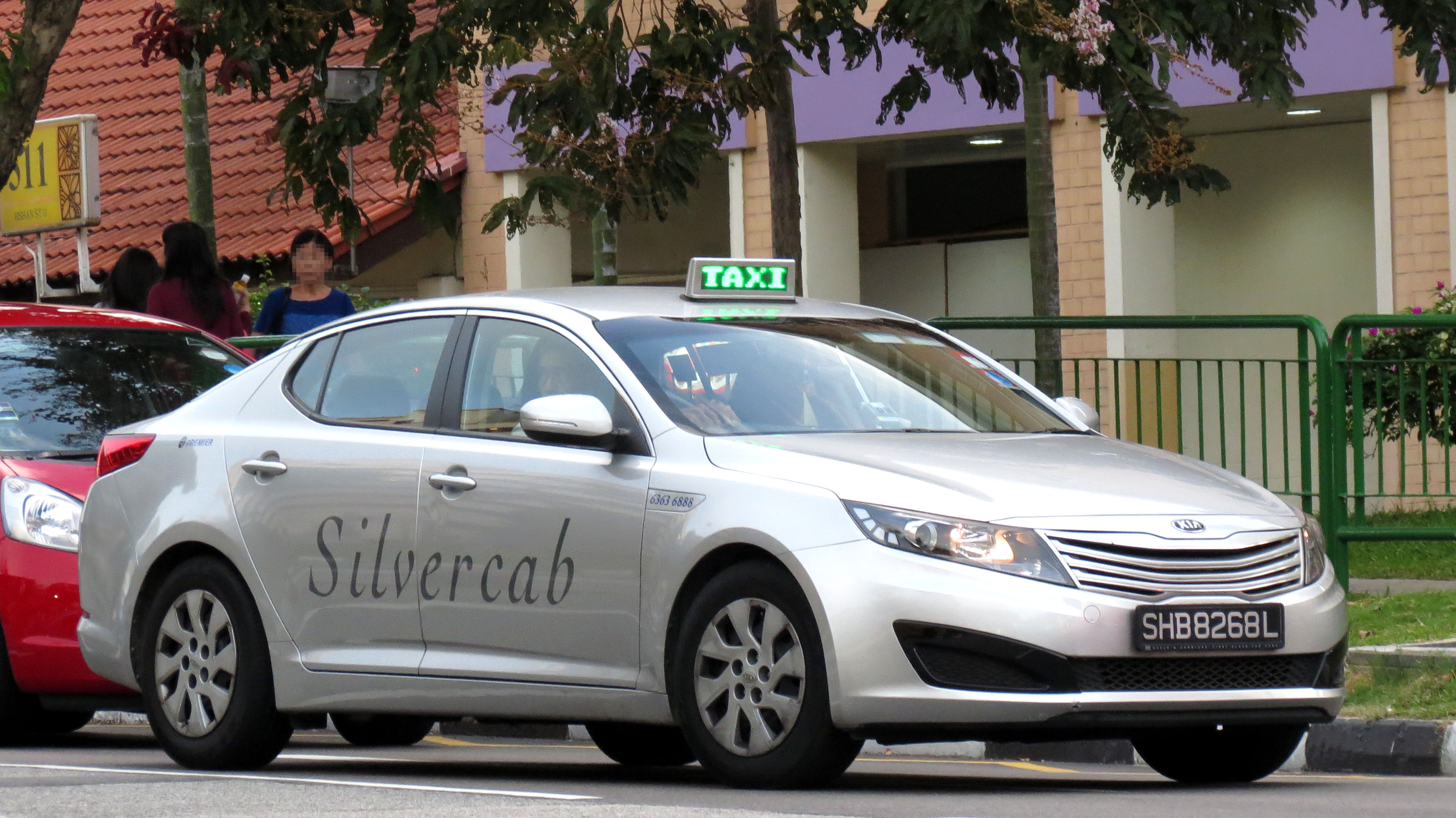
2013 Kia Optima
See the complaints, recalls, crash rating, and fuel economy in the public record. Then check the mileage and history of the car you found.
This page shows records, not a buy or avoid call.
The same model year can include a well-kept car and a neglected one. Use these records to plan what to check. Use the specific-car check when you know the mileage.
Complaints filed
1,425
Reports to NHTSA, 2013
Safety recalls
9
NHTSA campaigns on record
NHTSA crash test
Overall NCAP rating
Combined MPG
27
EPA estimate
Known issues
Engine issues lead owner complaints (29% of 1,425 reports), followed by steering (15%).
+ 16 more component categories with fewer reports.
Share of all 1,425 NHTSA complaints for this model year, grouped by the component owners named. Bars are scaled to the largest category. Examples: ODI 11373782, ODI 11209204, ODI 10926798, ODI 11521647, ODI 11005872.
Individual complaint reports(1,425)
Showing the 50 most recent reportsFuel/Propulsion SystemJul 2026 · ODI 11751927Details +Close −
I own a 2013 Kia Optima and I am experiencing recurring fuel system-related symptoms. The fuel gauge fluctuates even when the vehicle has a full tank of fuel, causing an inaccurate fuel level reading. In addition, the vehicle has begun to hesitate during operation, which raises concern that there may be an underlying fuel delivery or fuel system issue. I previously experienced a similar issue years ago, and I believe the vehicle was repaired during a Kia recall or service campaign. The problem has now returned, and I am concerned that the previous repair may not have permanently corrected the issue or that there may be a related defect affecting other vehicles. The combination of an inaccurate fuel level reading and engine hesitation could create a safety concern because the driver may not know the true amount of fuel remaining and may experience unexpected loss of power while driving. I am requesting that this issue be investigated to determine whether it is related to a previous recall repair, a fuel system defect, or another safety-related condition affecting the 2013 Kia Optima.
- Reported
- Jul 2026
- Incident date
- Apr 2026
- Mileage
- Not provided
- Outcome flags
- None reported
StructureJul 2026 · ODI 11751654Details +Close −
Paint began chipping/flaking off little by little everytime I washed the car. It’s a common occurrence with snowy white Kia paint in this year
- Reported
- Jul 2026
- Incident date
- Jan 2023
- Mileage
- Not provided
- Outcome flags
- None reported
SteeringJul 2026 · ODI 11751411Details +Close −
the engine revs high and transmission wont shift and when you turn the steering wheel ya get a loud click and the steering wheels jumps
- Reported
- Jul 2026
- Incident date
- Feb 2026
- Mileage
- Not provided
- Outcome flags
- None reported
SteeringJul 2026 · ODI 11750567Details +Close −
The car lights have dimmed tremendously, I replaced lights by myself with no luck over the years. It has just come to my attention, they knew and addressed reported problems but never sent a recall or safety notice that the reflective material designates. My car is at the dealer and confirmed this is the problem, your help would be great. Also, a steering recall and the part was replaced with the same material, it now needs to be changed again and they want me to pay. I thought all safety recalls never expire. Thanks in advance, [XXX] [XXX] INFORMATION REDACTED PURSUANT TO THE FREEDOM OF INFORMATION ACT (FOIA), 5 U.S.C. 552(B)(6)
- Reported
- Jul 2026
- Incident date
- Jul 2020
- Mileage
- Not provided
- Outcome flags
- None reported
SteeringJul 2026 · ODI 11749153Details +Close −
The steering column From the car has diminished causing dangerous shaking on highway at high speeds
- Reported
- Jul 2026
- Incident date
- Jul 2026
- Mileage
- Not provided
- Outcome flags
- None reported
Seat BeltsJun 2026 · ODI 11744952 · crash · 1 injuriesDetails +Close −
The contact owned a 2013 Kia Optima. The contact stated that while driving at an undisclosed speed on the main road of a T-intersection, the contact blacked out before another vehicle crashed into the front passenger's side of the vehicle. The contact stated that the front of the vehicle sustained severe damages, and there was more damage on the front passenger's side of the vehicle. The air bags deployed. The contact stated that the seat belt retracted excessively, causing the contact to be pinned in the seat and to sustain severe injuries. The contact was assisted out of the seat and was partially unconscious. The contact was unsure if any warning lights were illuminated after the crash. A Police report was filed. The ambulance transported the contact to the hospital. The contact sustained a fractured L2 and back, ruptured bowel, and intestines and internal bleeding in the stomach. The contact underwent surgery and physical therapy. The vehicle was towed and deemed totaled by the insurance company. The manufacturer was notified of the failure and informed the contact that the VIN was not included in a related recall. A complaint was filed. The failure mileage was approximately 130,000.
- Reported
- Jun 2026
- Incident date
- Mar 2023
- Mileage
- Not provided
- Outcome flags
- Crash 1 injuries
Unknown Or OtherJun 2026 · ODI 11743072Details +Close −
Large delamination of paint on the vehicle.
- Reported
- Jun 2026
- Incident date
- Dec 1969
- Mileage
- Not provided
- Outcome flags
- None reported
Engine And Engine CoolingMay 2026 · ODI 11739531Details +Close −
The contact stated that while driving the vehicle began to unexpectedly slow and then stalled. The vehicle was unable to restart. No warning lights illuminated. The vehicle was taken to the dealer where it was not diagnosed or repaired. The manufacturer was notified of the issue. The approximate failure mileage 215,000.
- Reported
- May 2026
- Incident date
- May 2026
- Mileage
- Not provided
- Outcome flags
- None reported
EngineMay 2026 · ODI 11737743Details +Close −
I was driving on the high way and my car completely stopped I towed it to a shop and the engine seized
- Reported
- May 2026
- Incident date
- Apr 2026
- Mileage
- Not provided
- Outcome flags
- None reported
EngineMay 2026 · ODI 11737190 · fireDetails +Close −
My 2013 Kia Optima was running fine at 65 mph when suddenly the engine stalled. I then coasted to the shoulder and smelled burning plastic. As soon as I opened the hood the engine started being consumed in fire, it quickly went to a very large engine fire that consumed the front half of the car. There were no other vehicles involved with this incident. Vehicle is a total loss.
- Reported
- May 2026
- Incident date
- May 2026
- Mileage
- Not provided
- Outcome flags
- Fire
Air BagsMay 2026 · ODI 11736691Details +Close −
The vehicle is experiencing sudden engine stalling while in motion, a known safety hazard. Despite a documented maintenance history with no issues, the dealer (Bayside Kia) is attempting to deny a Theta II Settlement claim by shifting the narrative to 'engine sludge,' which only appeared as a symptom in June 2025( Walmart oil change) alongside engine performance issues. The vehicle has active codes P0014 and P0017, which are secondary symptoms of the internal bearing wear and metallic debris contaminating the oiling system. KDS Diagnostic tests showed Cylinder 1 at 0.16mm (approaching the 0.20mm failure limit). This clearance proves the connecting rod bearings are worn and reaching the failure threshold; this mechanical wear is the root cause of the engine's inability to operate safely. The presence of metallic debris in the oil is the definitive signature of the Theta II manufacturing defect. Furthermore, the dealer acted in bad faith by attempting to charge for Airbag repairs (Codes B1346/B1481) that are covered under the 15-year Clock Spring Warranty Extension (CS1102). The dealer has dismissed my qualifying maintenance documents, claiming they are 'not official,' which is a direct violation of the Magnuson-Moss Warranty Act. A manufacturer cannot deny a warranty claim because services were performed at third-party facilities, nor can they deny a claim without proving 'exceptional neglect.' I am reporting a refusal to honor a court-ordered safety settlement and an attempt to return an unsafe, stalling vehicle to the road.There is no evidence of engine abandonment or exceptional neglect. I’m considered "in compliance" if I can show I didn't go more than 14 months without servicing or a certain mileage between oil changes.The dealer's dismissal of verified third-party receipts and bank statements is a bad-faith attempt to ignore an inherent manufacturing defect documented by a 0.16mm BCT result and metallic debris.
- Reported
- May 2026
- Incident date
- Apr 2026
- Mileage
- Not provided
- Outcome flags
- None reported
EngineMay 2026 · ODI 11736295Details +Close −
We were told by the mechanic that the engine was locked up after the car refused to drive faster than approximately 23 mph. We had to have the car towed from Boone, NC which was about 200 miles. The car is at our house and is available for inspection upon request. I have made repeated calls to different Kia dealers asking for a call back to assist me with direction but there will never be a returned phone call. As far as I know, there has been no inspection of the engine or vehicle.
- Reported
- May 2026
- Incident date
- Dec 1969
- Mileage
- Not provided
- Outcome flags
- None reported
Electrical SystemApr 2026 · ODI 11734775Details +Close −
Code : P1777 Transmission- oil pump A issue with the Valve cover gasket leaking into the engine causing a misfire. Making the car suddenly stop while driving which is very unsafe. I took the car to the dealership and they want to charge me for the repairs. I have 2 kia optima hybrid and both cars have the same issue around the same mileage. There were no warning lights during the time it was at the shop. I believe later down the line the engine will stall out and it should be fixed now while under warranty. However I received no help from the dealership unless I am willing to pay upfront. In addition to this there are electrical issues the front seats aren't moving immediately when the button is pressed. The steering wheel buttons barely work along with the radio. This is a huge problem that needs to be fixed.
- Reported
- Apr 2026
- Incident date
- May 2025
- Mileage
- Not provided
- Outcome flags
- None reported
EngineApr 2026 · ODI 11734855Details +Close −
The contact owns a 2013 Kia Optima. The contact stated that while driving at an undisclosed speed, the engine unexpectedly seized without warning. The contact stated that after the vehicle lost motive power, several unknown warning lights illuminated. The vehicle was restarted; however, the failure recurred. The vehicle was towed to an independent mechanic, where it was diagnosed that the engine had seized and needed to be replaced. The vehicle was not repaired. The vehicle was then towed to the dealer but was not diagnosed or repaired. The contact was informed that no diagnostic trouble codes were found. The manufacturer was made aware of the failure. The failure mileage was approximately 125,000.
- Reported
- Apr 2026
- Incident date
- Apr 2026
- Mileage
- Not provided
- Outcome flags
- None reported
EngineApr 2026 · ODI 11734651Details +Close −
The contact owns a 2013 Kia Optima. The contact stated while driving 75 MPH, the vehicle went into LIMP Mode and failed to exceed 60 MPH. The check engine warning light was illuminated. The vehicle was taken to the dealer, where it was diagnosed and determined that the knock sensor and the harness had failed and needed to be replaced. The vehicle was repaired; however, the failure recurred on several occasions, and the vehicle was driven or towed to the dealer as needed. The dealer cleared the diagnostic trouble codes and informed the contact that a recall repair would not be completed unless the engine made loud knocking sounds or seized. The contact stated that while driving at an undisclosed speed, the engine made an abnormally loud sound and seized. The vehicle was towed to the residence. The vehicle was then towed to the dealer, where the contact was informed that the engine was not eligible for replacement due to a lack of maintenance records because the contact did not have all the oil change service records available. The manufacturer was notified of the failure, but no assistance was provided. The failure mileage was approximately 297,000.
- Reported
- Apr 2026
- Incident date
- Apr 2025
- Mileage
- Not provided
- Outcome flags
- None reported
SteeringApr 2026 · ODI 11733232Details +Close −
While driving my KIA Optima on the interstate the rear subframe suffered catastrophic structural failure, resulting in the steering wheel going out of alignment, the rear passenger side wheel tilting with the bottom of the tire being far out compared to the top. This resulted in the rear of the vehicle swaying side to side and being difficult to maintain in a straight path. This vehicle was previously serviced under KIA Campaign SC141 (internal subframe corrosion) at Griffin KIA on April 27, 2017. Despite this safety remedy being performed the subframe rotted through and snapped. This is a remedy failure. The anti-corrosion was applied by the manufacturer failed to prevent the exact structural failure it was designed to mitigate. I have physical evidence (Repair Order #92144) proving the remedy was performed and photographic/video evidence of the subsequent structural break. The manufacturer (KIA) has denied assistance, claiming the failure is "unrelated" to the corrosion campaign despite the part being the exact component covered by the campaign." SC141 involved the inject of wax into the metal components of the subframe of the vehicle and was KIA's response to the NHSTA's concerns about the metal components of their vehicles being unable to withstand salt in the Rust Belt states. The campaign only was for the vehicles in the rust belt states. KIA was very aware this was a safety issue and attempted to avoid a recall by issuing this campaign. The campaign failed and as a result my life was put at risk. I asked KIA for a good will repair of the rusted subframe but they refuse indicating the believe the part that clearly broke due to rust is unrelated to the safety campaign. Several of their employees stated it was very clear the part broke due to rust with one indicating he had a list of rusted parts needing replaced. I'd like the NHTSA to review this failed campaign and ensure the safety of all vehicles relying on this failed safety measure.
- Reported
- Apr 2026
- Incident date
- Apr 2026
- Mileage
- Not provided
- Outcome flags
- None reported
SteeringApr 2026 · ODI 11733341Details +Close −
Clanking noise is steering column and very loose steering.
- Reported
- Apr 2026
- Incident date
- Apr 2026
- Mileage
- Not provided
- Outcome flags
- None reported
Engine And Engine CoolingApr 2026 · ODI 11732698Details +Close −
The contact owns a 2013 Kia Optima. The contact stated that while driving approximately 35-40 MPH, the vehicle started shuddering with a knocking sound coming from the engine. The check engine warning light was illuminated. The vehicle was taken to the local dealer, and the dealer declined to repair the vehicle under NHTSA Campaign Number: 17V224000 (Engine and Engine Cooling). The dealer stated that the vehicle had a branded title. The vehicle was not diagnosed or repaired. The manufacturer was contacted, but no assistance was provided. The failure mileage was approximately 163,814.
- Reported
- Apr 2026
- Incident date
- Mar 2026
- Mileage
- Not provided
- Outcome flags
- None reported
EngineApr 2026 · ODI 11731976Details +Close −
I took the Kia to Hurst Dealership and Scott told me he would check it out. He called me and told me I needed the key replaced, so we paid them 230 dollars. Then he told me he found 4 recalls, fixed 3 of the 4 recalls. The last one, the engine seizing up, was still not complete. after 30 days we removed the car from that dealership because the whole time they were trying to sell us a car. Now the car doesnt even start, there is no key, there is lots of damage to the front end and underneath the engine is missing covers and who knows what else. Worst employees do the things the company itself tries to prevent, Scott is perfect for ruining reputations of the employers he (works for)
- Reported
- Apr 2026
- Incident date
- Jan 2026
- Mileage
- Not provided
- Outcome flags
- None reported
EngineApr 2026 · ODI 11731302Details +Close −
The contact owns a 2013 Kia Optima. The contact stated that while approaching a freeway and attempting to merge, the vehicle suddenly stalled. There was no warning light illuminated. The vehicle was towed to the local dealer, where it was diagnosed, and it was determined that the engine needed to be replaced. The vehicle was not repaired. The manufacturer was contacted and opened a case, but no assistance was provided. The failure mileage was approximately 69,000.
- Reported
- Apr 2026
- Incident date
- Feb 2026
- Mileage
- Not provided
- Outcome flags
- None reported
Engine And Engine CoolingApr 2026 · ODI 11730795Details +Close −
The contact owns a 2013 Kia Optima. The contact stated that while attempting to start the vehicle, the vehicle failed to start. There was no warning light illuminated. The vehicle was towed to a local dealer, where it was diagnosed and it was determined that the turbocharger had failed, and the engine and turbocharger needed to be replaced. The vehicle was not repaired. The contact received a letter from the dealer that the vehicle was covered under a manufacturer settlement for engine replacement; however, the dealer advised the contact that there was an out-of-pocket cost to replace the turbocharger. The manufacturer was informed of the failure. The failure mileage was unknown.
- Reported
- Apr 2026
- Incident date
- Mar 2026
- Mileage
- Not provided
- Outcome flags
- None reported
WheelsApr 2026 · ODI 11730924 · fireDetails +Close −
The contact owned a 2013 Kia Optima. The contact stated that while driving at an undisclosed speed, the front end of the vehicle caught fire. The contact was informed by another driver that the fire originated near the front driver’s side wheel area. The fire was extinguished by the local fire department, and a police report was filed. The dealer was contacted. The vehicle was not diagnosed or repaired. The vehicle was destroyed. The manufacturer was made aware of the failure. The approximate failure mileage was 144,000.
- Reported
- Apr 2026
- Incident date
- Apr 2026
- Mileage
- Not provided
- Outcome flags
- Fire
Service BrakesApr 2026 · ODI 11730927Details +Close −
Brake pedal loses pressure and disengages with brakes. Traction light, maintenance light, hybrid system warning message, check brakes message and parking brake intermittently turns on and off. I called Kirby Kia of Ventura a few weeks ago and let them know about my issue with the car. I explained that I took the car to a mechanic and the diagnostic they did stated the issue with the car could be because of one of the recalls. On 4/10/26 I took my vehicle to Kirby Kia of Ventura for the recalls and asked if they could do the diagnostic. Raul from Kia was the service rep that spoke with me. He stated they would do the recalls and then, if needed, they would perform the diagnostic. Later that day Raul called me and stated the recalls were completed and no issues were found. Several items were found from Kia's point inspection, but none related to the issue at hand. I then asked Raul if they could perform the diagnostic to know what was wrong with my car and he stated that they could do the diagnostic on Monday, 4/13/26. Raul stated he would give me a call around 10 to 11 am, to discuss any issues. Raul called at 10:49 am, and stated no lights on the dashboard have come on and he didn't want to do the diagnostic because the lights weren't on. Kirby Kia of Ventura service department are crooks and only want to assist you if they get money out of you. My car still has the same issue, possibly damage to the HECU from the recall, but Kirby Kia didn't want to run the diagnostic on my car to find out if it was damaged. Kirby Kia of Ventura is a horrible organization and I will never purchase another Kia vehicle for this reason.
- Reported
- Apr 2026
- Incident date
- Apr 2026
- Mileage
- Not provided
- Outcome flags
- None reported
Engine And Engine CoolingApr 2026 · ODI 11729703Details +Close −
The contact owns a 2013 Kia Optima. The contact stated that while his son was driving approximately 35 MPH, there was an abnormal metal-on-metal sound coming from the vehicle, and the vehicle stalled. The contact drove out to the location and became aware that the oil and the battery warning lights were illuminated. The contact attempted to restart the vehicle, but the vehicle failed to restart, and the starter motor was smoking. The contact stated that prior to the engine failure, the starter motor had been replaced. The vehicle was towed to the independent mechanic who had recently replaced the starter motor. The mechanic diagnosed the vehicle and informed the contact that the engine had seized and needed to be replaced. The mechanic informed the contact that the VIN was included in NHTSA Campaign Number: 17V224000 (Engine and Engine Cooling). The contact called the local dealer and the manufacturer but was informed that the vehicle would not be repaired. The failure mileage was approximately 130,000.
- Reported
- Apr 2026
- Incident date
- Mar 2026
- Mileage
- Not provided
- Outcome flags
- None reported
Service BrakesApr 2026 · ODI 11729515 · fireDetails +Close −
The contact owned a 2013 Kia Optima. The contact stated that while driving at an undisclosed speed, the front of the vehicle started excessively smoking and caught fire. No warning lights illuminated. The fire was extinguished by the local fire department, and a fire report was filed. A police report was not filed. The contact received notification of NHTSA Campaign Number: 23V652000 (Service Brakes, Hydraulic). The dealer was not contacted. The vehicle was not diagnosed or repaired. The vehicle was destroyed. The manufacturer was made aware of the failure via customer care support since no representative was reached via the phone line. The approximate failure mileage was 179,000.
- Reported
- Apr 2026
- Incident date
- Apr 2026
- Mileage
- Not provided
- Outcome flags
- Fire
Power TrainMar 2026 · ODI 11727508Details +Close −
The contact owns a 2013 Kia Optima. The contact stated that while a family member was driving the vehicle at 40 MPH, the vehicle stalled. There was no warning light illuminated. The driver pulled over to the side of the road where the vehicle failed to restart. The vehicle was towed to the residence, where an independent mechanic diagnosed the vehicle and determined that the engine and transmission needed to be replaced. The vehicle was not repaired due to the cost. The dealer and the manufacturer were not contacted or notified of the failure. The failure mileage was unknown.
- Reported
- Mar 2026
- Incident date
- Jul 2025
- Mileage
- Not provided
- Outcome flags
- None reported
Electrical SystemMar 2026 · ODI 11727066Details +Close −
My car started shutting down while driving. After the engine started seizing the key wouldn't turn in my ignition. Took car to dealership immediately on 10, 2026. Took again in 2024 for recall and other repairs. Found out after requesting previous service incidents they failed to do recall repairs and never notified me of it, or to come back. I've requested current diagnostic report several times in writing and verbally with codes for this current service, with non compliance. My car is still at the dealership needing work and I need current diagnostic report before I pay for repairs. I am attaching a dealership diagnostic e-Report for my 2013 Kia Optima from 2024. While the report lists “No Current DTC” for several systems, it also documents multiple “Communication Fail” errors across critical modules, including Smart Key, Head Lamp, Air Conditioner, Brake, and other systems. These communication failures indicate a broader electrical or network issue within the vehicle, not simply a failed battery. The report also shows that certain diagnostic scans were not properly performed. Additionally, there are historical fault codes related to TPMS and weight classification systems, further supporting that the vehicle has experienced ongoing electrical issues. Despite these findings, the dealership attributed the vehicle failure solely to a bad battery and did not provide a current battery diagnostic test. They also failed to address an open recall related to electrical/fuse issues prior to this failure. Based on this past diagnostic report, I believe the root cause of my vehicle’s failure is an unresolved electrical defect, potentially related to the outstanding recall, rather than normal battery wear. This has resulted in my vehicle becoming inoperable and poses a serious safety concern.
- Reported
- Mar 2026
- Incident date
- Mar 2026
- Mileage
- Not provided
- Outcome flags
- None reported
EngineMar 2026 · ODI 11726452Details +Close −
1) Motor failed on interstate and car towed to automotive shop. Currently still at the shop with hope to tow to Kia to address issue. 2)My teenage daughter and her friend were placed in a dangerous and potentially life-threatening situation due to what appears to be a catostrophic vehicle failure. While driving our 2013 Kia Optima whith approximately 160,000 miles, the vehicle suddenly lost power while our daughter was traveling a major highway. The car quit responding to the gas pedal and she was forced to pull over on the side of the highway and was stranded in traffic with no safe way to move the vehicle. When she attempted to restart the car the engine light began flashing (it did not do so before hand), the car was shaking and undriveable. This was not a minor inconvenience, it was a serious safety hazard. A young driver was left sitting on the shoulder of a high-speed roadway with cars and trucks passing at highway speeds up to 80 mph. Had another driver drifted or had she not been able to reach the shoulder in time, this situation could have easily resulted in a major crash or fatality(-ies). The vehicle would not restart properly and had to be towed. Prior to this incident, there were no obvious warning sings of an imminent catastrophic failure. The mechanic's invoice of his diagnostics is attached. Vehicles should not fail in a way that suddenly leaves drivers stranded in active highway traffic with no warning. This type of failure creates an extremely dangerous situation not just for the driver but for everyone on the road. I strongly urge the NHTSA to review whether this model vehicle has known engine or safety defects that can lead to sudden engine failure or loss of power while driving. No parent should have to get a phone call that their child is stranded on the side of a major highway because their car suddenly died without warning. I am requesting this vehicle incident be documented and investigared as a potential safety defect.
- Reported
- Mar 2026
- Incident date
- Mar 2026
- Mileage
- Not provided
- Outcome flags
- None reported
SteeringMar 2026 · ODI 11725980Details +Close −
Vehicle: 2013 Kia Optima SXL VIN: [XXX] While driving on a highway at approximately 55–58 mph, the rear driver-side electronic parking brake (EPB) motor housing failed with a loud bang. Immediately after, there was heavy smoke and a strong burning smell. The vehicle became very difficult to drive, and the wheel began screeching and dragging as if the brake had locked. The failure appears to have caused the rear brake caliper to seize while the vehicle was in motion. This created a dangerous driving situation at highway speed and could have caused a crash. The brake system component that failed appears to be the electronic parking brake actuator/motor assembly attached to the rear caliper. This was a sudden mechanical failure, not normal brake wear, and it occurred while driving at speed. Kia care case number: XXX INFORMATION REDACTED PURSUANT TO THE FREEDOM OF INFORMATION ACT (FOIA), 5 U.S.C. 552(B)(6)
- Reported
- Mar 2026
- Incident date
- Mar 2026
- Mileage
- Not provided
- Outcome flags
- None reported
Service BrakesMar 2026 · ODI 11723905Details +Close −
The contact owns a 2013 Kia Optima. The contact stated that while driving 75 MPH, the vehicle lost motive power. The accelerator pedal was depressed; however, the vehicle eventually stalled on the side of the road. The key, battery, oil, and engine warning lights were illuminated. There was an abnormal ticking sound coming from the vehicle. The contact stated the failure was related to NHTSA Campaign Number: 23V652000 (Service Brakes, Hydraulic). The vehicle was towed to an independent mechanic, where it was determined that the engine had seized. The engine failed to turn over. The mechanic had previously performed a routine oil change. The vehicle was towed to the local dealer, where it was diagnosed with low voltage. The spark plugs were checked, there were no oil leaks, and the vehicle was diagnosed with catastrophic engine failure. The vehicle was not repaired. The manufacturer was contacted, but no assistance was provided. The failure mileage was approximately 111,862.
- Reported
- Mar 2026
- Incident date
- Mar 2026
- Mileage
- Not provided
- Outcome flags
- None reported
Exterior LightingMar 2026 · ODI 11723669Details +Close −
Paint on car is coming off from hood and doors headlights are not bright had to change to aftermarket to make it brighter
- Reported
- Mar 2026
- Incident date
- Mar 2026
- Mileage
- Not provided
- Outcome flags
- None reported
Service BrakesMar 2026 · ODI 11723147Details +Close −
HECU failure on my 2013 Kia. My specific VIN # is not included in this repair but the year make and model are under recall sc197. My brakes are going all the way floor. There is a leek internally inside the hydraylic electonic control unit which is a fire hazard as well as a hydraulic failure. This is a massive safety and liability concern.
- Reported
- Mar 2026
- Incident date
- Mar 2026
- Mileage
- Not provided
- Outcome flags
- None reported
Engine And Engine CoolingMar 2026 · ODI 11721746Details +Close −
The contact owns a 2013 Kia Optima. The contact stated that while driving at various speeds, there was a knocking sound coming from the engine, and the vehicle failed to properly accelerate. While the contact’s wife was driving approximately 60 MPH, the vehicle stalled. The vehicle was later towed to the local dealer, who discovered metal shavings inside the engine oil and informed the contact that the engine was faulty and needed to be replaced. The vehicle was not repaired. The manufacturer was notified of the failure, but no assistance was provided. The contact was informed that the VIN was not included in NHTSA Campaign Number: 17V224000 (ENGINE AND ENGINE COOLING). The contact stated that the vehicle had experienced the failure listed in the recall. The failure mileage was 211,000.
- Reported
- Mar 2026
- Incident date
- Mar 2025
- Mileage
- Not provided
- Outcome flags
- None reported
EngineMar 2026 · ODI 11721494Details +Close −
The contact owns a 2013 Kia Optima. The contact stated that while his wife was driving approximately 55 MPH, the vehicle stalled but restarted. The check engine warning light was illuminated. The contact stated that the failure was related to TSB: PI2002 / PI2002A. The contact discovered there was an issue with the damage to the connecting rod bearing. The vehicle was taken to an independent mechanic who determined that the battery needed to be replaced. There was an abnormal sound when the vehicle was started. The contact stated that there were metal shavings in the oil and the control valve. The vehicle was towed to the local dealer, where a broken valve and lifter were found, and the dealer determined that the engine needed to be disassembled. The dealer stated that there were metal shavings in the oil and the control valve. The vehicle was not repaired. The manufacturer was contacted and confirmed that there was no repair under recall for the failure. Additionally, the manufacturer requested the oil change records. The failure mileage was approximately 200,776.
- Reported
- Mar 2026
- Incident date
- Jan 2026
- Mileage
- Not provided
- Outcome flags
- None reported
Air BagsFeb 2026 · ODI 11720904Details +Close −
As in May 2025 , I purchased 2013 Kia Optima LX sedan with airbag already deployed before bought it. And in June 2025 I took my car to nearest Kia dealership , I found out that I had recalls over other things as well. I made Kia dealership to look at the airbag and do inspection on it. None of Kia employees did not informed me about the airbag, CARFAX information about previous incident to this car before I purchased.
- Reported
- Feb 2026
- Incident date
- May 2025
- Mileage
- Not provided
- Outcome flags
- None reported
Air BagsFeb 2026 · ODI 11719883Details +Close −
The contact owns a 2013 Kia Optima. The contact stated that while driving 5 MPH and attempting to make a right turn, the air bag deployed unexpectedly. A dealer was contacted. The vehicle was taken to a dealer to be diagnosed, and it was determined that the clock spring and air bag needed to be replaced. The vehicle was not repaired. The manufacturer was notified of the failure and informed the contact that the issue would be escalated to the proper department. The approximate failure mileage was 107,000.
- Reported
- Feb 2026
- Incident date
- Feb 2026
- Mileage
- Not provided
- Outcome flags
- None reported
Service BrakesFeb 2026 · ODI 11719465 · fire · 1 injuries · 1 deathsDetails +Close −
The contact owned a 2013 Kia Optima. The contact stated that while driving the vehicle, the contact became aware of black smoke coming from the floorboard with a burning plastic odor, and the battery warning light illuminated. The contact called her husband and was informed to exit the vehicle. The contact exited the vehicle and seconds later the vehicle exploded. The front of the vehicle blew up onto the windshield and the steering wheel detached and struck the driver’s side seat. The fire was extinguished by the Fulton County Fire Department. A Fire Report and Police Report were filed; however, the reports were not yet provided to the vehicle owner. The contact experienced severe emotional distress. The contact stated due to the emotional distress of the fire, she suffered a miscarriage from the stress and had scratches from having to jump out of the window. There was no medical assistance sought. Several personal items inside the vehicle were also lost due to the fire and additionally, the contact lost employment due to the fire. The VIN was included in NHTSA Campaign Number: 23V652000 (SERVICE BRAKES, HYDRAULIC); however, the vehicle had not been repaired prior to the fire. The vehicle was towed to a tow yard then to a Kia dealer. The vehicle was destroyed. The manufacturer was notified of the failure. The failure mileage was 193,876.
- Reported
- Feb 2026
- Incident date
- Oct 2024
- Mileage
- Not provided
- Outcome flags
- Fire 1 injuries 1 deaths
Service BrakesFeb 2026 · ODI 11716694 · fireDetails +Close −
The contact owned a 2013 Kia Optima. The contact stated that while his niece was driving the vehicle at 65 MPH, a strong fuel odor began to emit from the vehicle without warning. The vehicle then began to violently shake as the contact's niece began to exit the highway. Upon pulling over and exiting the vehicle, black smoke began to emit from the vehicle as both police and fire officials were in the vehicle's vicinity and witnessed the fire. As the vehicle quickly became engulfed in flames, the fire department quickly arrived at the scene and extinguished the fire. No injuries were reported, and a police report was filed. The vehicle was towed to the niece's home, where it remained in her possession. Upon investigation, the contact discovered that the vehicle was included in NHTSA Campaign Number: 23V652000(Service Brakes, Hydraulics). The manufacturer was notified of the failure, and an investigator was scheduled to visit the niece's home and inspect the vehicle; the investigator never arrived, and the vehicle had yet to be inspected. The vehicle was destroyed as a result of the fire. The failure mileage was approximately 160,000.
- Reported
- Feb 2026
- Incident date
- Jan 2026
- Mileage
- Not provided
- Outcome flags
- Fire
Electrical SystemFeb 2026 · ODI 11716358 · fireDetails +Close −
My car suddenly caught fire in my driveway tonight 2/6/26 roughly around 9:40 PM. Fire department has been dispatched to come out and investigate if the fire has been properly extinguished and it does warrant any further safety hazards until Kia can be notified and resolve this issue.
- Reported
- Feb 2026
- Incident date
- Feb 2026
- Mileage
- Not provided
- Outcome flags
- Fire
EngineJan 2026 · ODI 11714274Details +Close −
After getting the vehicle back from the auto shop for repair in the fuel injector because my car wasn't starting after I purchase it from a third party. anyways after I got the vehicle back my temperature gauge was sky rocket getting high and higher and my temperature blinker with the red light on the dashboard with the boiling hot water icon temperature and I took it in the shop and it stated on the invoice
- Reported
- Jan 2026
- Incident date
- Jan 2026
- Mileage
- Not provided
- Outcome flags
- None reported
Electrical SystemJan 2026 · ODI 11712399 · fireDetails +Close −
I received a recall notice for my 2013 Kia Optima, VIN #: [XXX] related to engine issues and an increased risk of fire. After receiving the recall notice, my vehicle began smoking and briefly caught fire while in operation. I immediately shut the vehicle off, and the smoke and fire stopped. For safety reasons, the vehicle was towed by my insurance company to my aunt’s residence, which was the closest safe location at the time. The vehicle was unsafe to drive. No injuries occurred, and the fire department was not called because the fire stopped once the vehicle was turned off. I believe this incident is related to a known safety defect and recall involving Kia Optima engine fires. I have contacted Kia multiple times regarding this issue, and there have been delays in addressing or repairing the vehicle. INFORMATION REDACTED PURSUANT TO THE FREEDOM OF INFORMATION ACT (FOIA), 5 U.S.C. 552(B)(6)
- Reported
- Jan 2026
- Incident date
- Jan 2026
- Mileage
- Not provided
- Outcome flags
- Fire
StructureJan 2026 · ODI 11710752Details +Close −
The vehicle paint is bubbling and peeling
- Reported
- Jan 2026
- Incident date
- Dec 2025
- Mileage
- Not provided
- Outcome flags
- None reported
EngineJan 2026 · ODI 11710781Details +Close −
The contact owns a 2013 Kia Optima. The contact stated that while driving at an undisclosed speed, the vehicle failed to accelerate as intended while depressing the accelerator pedal and stalled. The contact was able to coast to the side of the road. Several unknown warning lights were illuminated. The vehicle was towed to an independent mechanic. The contact was informed that the engine had seized and to tow the vehicle to the dealer for assistance. The vehicle was not repaired. The vehicle was then towed to the dealer, where it was confirmed that the engine had failed. The contact was informed that since the vehicle had a branded title, it could not be repaired. The vehicle remained at the dealer unrepaired. The contact stated that back in October 2024, the vehicle had been in a hit-and-run accident. The insurance company had declared the vehicle a total loss. The contact kept the vehicle and registered it with the rebuilt title. The contact stated that the engine on the vehicle was the original engine. The manufacturer was notified of the failure. The contact stated that Kia Customer Care called and advised the contact that the manufacturer declined the request for the repairs. The failure mileage was approximately 136,000.
- Reported
- Jan 2026
- Incident date
- Aug 2025
- Mileage
- Not provided
- Outcome flags
- None reported
Service BrakesJan 2026 · ODI 11710466Details +Close −
The contact owns a 2013 Kia Optima. The contact stated that while driving 70 MPH, the speedometer started malfunctioning, and the check engine warning light was flashing. There was an abnormal burning odor, and there was smoke coming from under the hood. The contact pulled over to the side of the road and allowed the vehicle to cool down for an hour. While attempting to restart the vehicle, several unknown warning lights were flashing, and the vehicle failed to restart. The contact was picked up by her daughter, and the vehicle was later towed to the dealer to be diagnosed. The dealer later informed the contact that the warning lights had turned off. Additionally, the dealer informed the contact that the tires, the oil, and the oil filter needed to be replaced. The contact declined to pay for the parts replacement because the oil and the oil filter had been replaced two weeks prior to the failure. The dealer informed the contact that the vehicle was ready for pick up. The contact stated that after a family member picked up the vehicle, the failure recurred while driving, and the vehicle stalled. The driver was able to pull into a parking lot. The contact stated that the dealer had informed them that an arrangement had been made for the vehicle to be towed to their location; however, no further update was provided. The vehicle was not repaired. The contact related the failure to NHTSA Campaign Number: 23V652000 (Service Brakes, Hydraulic). The manufacturer was not notified of the failure. The failure mileage was approximately 300,000.
- Reported
- Jan 2026
- Incident date
- Dec 2025
- Mileage
- Not provided
- Outcome flags
- None reported
EngineJan 2026 · ODI 11709740Details +Close −
The engine on my 2013 Kia Optima (VIN [XXX] ) failed catastrophically less than one mile after purchase. This vehicle is subject to Kia Safety Recall SC147, which addresses a manufacturing defect involving engine bearing wear caused by factory machining debris and identifies engine replacement as the remedy when failure occurs. A Kia dealership inspected the vehicle and confirmed the failure was denied under warranty. I then requested that the dealership pursue recall compliance under Safety Recall SC147. After consultation with Kia Techline and a Kia service representative, the dealership declined to submit or pursue recall compliance for this engine failure. I am submitting this complaint for recall non-compliance and request that this matter be reviewed. INFORMATION REDACTED PURSUANT TO THE FREEDOM OF INFORMATION ACT (FOIA), 5 U.S.C. 552(B)(6)
- Reported
- Jan 2026
- Incident date
- Nov 2025
- Mileage
- Not provided
- Outcome flags
- None reported
EngineJan 2026 · ODI 11709420Details +Close −
The contact owns a 2013 Kia Optima. The contact stated that while driving approximately 30–35 MPH, the engine started knocking. The check engine warning light illuminated once the knock started in the engine. The vehicle was not repaired. The vehicle was driven to the dealer. The contact stated that there was an open recall associated with the VIN; however, the dealer declined to repair the vehicle because the engine was knocking. The manufacturer was made aware of the failure. The failure mileage was approximately 88,000.
- Reported
- Jan 2026
- Incident date
- Dec 2025
- Mileage
- Not provided
- Outcome flags
- None reported
EngineJan 2026 · ODI 11709503Details +Close −
My 2013 Kia Optima SXL experienced engine knock and shutdown after completion of recall SC147 (KSDS software update). The recall did not repair the known Theta II rod bearing defect and now the engine is failing as detected by the software. Kia corporate and Kia of Merced (Merced, CA) are refusing repair, citing auction purchase and PI1803, despite the engine being covered under the Theta II engine warranty extension. The vehicle is unsafe to operate and shuts down unexpectedly.
- Reported
- Jan 2026
- Incident date
- Dec 2025
- Mileage
- Not provided
- Outcome flags
- None reported
Power TrainJan 2026 · ODI 11708860Details +Close −
The engine began exhibiting symptoms consistent with the known bearing wear defect covered under the manufacturer’s safety recall, including knocking noises, loss of power, and engine malfunction. The condition worsened to the point that the vehicle became unsafe to operate due to the risk of engine seizure and sudden loss of propulsion while driving. The vehicle was inspected by a Kia dealership, which confirmed engine damage consistent with the recall defect. The engine remains available for inspection. Despite an active, unrepaired safety recall for engine bearing wear that increases the risk of engine seizure and crash, the manufacturer and dealership have refused to perform the recall remedy unless the owner first replaces the engine at personal expense. The manufacturer has stated that the recall cannot be performed due to the current condition of the engine. This refusal leaves the vehicle with an open safety recall and no manufacturer-provided remedy, creating an ongoing safety risk due to potential engine seizure and loss of power while driving.
- Reported
- Jan 2026
- Incident date
- Sep 2025
- Mileage
- Not provided
- Outcome flags
- None reported
SteeringJan 2026 · ODI 11708169Details +Close −
Steering flexible coupler worn in the Motor Driven Power Steering (MDPS) syste causing clicking noise and jittery steering
- Reported
- Jan 2026
- Incident date
- Jul 2025
- Mileage
- Not provided
- Outcome flags
- None reported
SteeringDec 2025 · ODI 11706264Details +Close −
Bushing related to steering wheel was a safety issue that causes steering wheel play and possible loss of control. I was never informed of the issue and Kia said it would not repair it since the warranty expired.
- Reported
- Dec 2025
- Incident date
- Sep 2024
- Mileage
- Not provided
- Outcome flags
- None reported
This page shows the latest 50 reports to keep it usable. The count above includes every complaint NHTSA has returned for this model year.
Recalls(9)
Open a recall to read what NHTSA says is wrong, what can happen, and how it gets fixed. Check the VIN and remedy eligibility with a dealer; federal no-charge requirements have an age limit, though a manufacturer may offer more coverage.
StructureJan 2022 · 22V560000Details +Close −
Kia America, Inc. (Kia) is recalling certain 2012-2013 Optima vehicles. The right and left headliner plates may not be secured properly, which can result in the plates detaching in the event of a side curtain air bag deployment.
Risk: A plate that detaches during a crash may strike an occupant, increasing their risk of injury.
Remedy: Dealers will secure the headliner plates, free of charge. Owner notification letters were mailed September 26, 2022. Owners may contact Kia customer service at 1-800-333-4542. Kia's number for this recall is SC245.
Open full NHTSA recall record →Service BrakesOct 2021 · 21V331000Details +Close −
Kia Motors America (Kia) is recalling certain 2013-2015 Optima and 2014-2015 Sorento vehicles previously recalled under recall 20V-519. Brake fluid may leak inside the Hydraulic Electronic Control Unit (HECU), possibly resulting in an electrical short.
Risk: An electrical short in the HECU increases the risk of a fire while parked or driving.
Remedy: Owners are advised to park outside and away from other vehicles and structures until the recall repair is completed. Dealers will install a new multi-fuse, and inspect the HECU for leaks, replacing the HECU if necessary, free of charge. Owner notification letters were mailed on July 2, 2021. This recall supersedes previous NHTSA recall number 20V-519. Owners may contact Kia customer service at 1-800-333-4542. Kia's number for this recall is SC212.
Open full NHTSA recall record →Air BagsJan 2018 · 18V363000Details +Close −
Kia Motors America (Kia) is recalling certain 2010-2013 Kia Forte, Forte Koup, 2011-2013 Kia Optima and 2011-2012 Kia Optima Hybrid and Sedona vehicles. In the event of a crash, the air bag control unit (ACU) may short circuit, preventing the frontal air bags and seat belt pretensioners from deploying.
Risk: If the frontal air bags and seat belt pretensioners are disabled, there is an increased risk of injury to the vehicle occupants in the event of a vehicle crash that necessitates deployment of these safety systems.
Remedy: Kia will notify owners. For model year 2011 Sedona vehicles, Kia will instruct dealers to verify the ACU part number and, if necessary, install an extension wire harness kit between the ACU Connector and the Vehicle Harness Connector. For all other affected vehicles, Kia will instruct dealers to install the extension wire harness kit. The recall began September 28, 2018. Owners may contact Kia customer service at 1-800-333-4542. Kia's number for this recall is SC165.
Open full NHTSA recall record →Engine And Engine Cooling · 17V224000Details +Close −
Kia Motor Company (Kia) is recalling certain 2011-2014 Optima, 2012-2014 Sorento and 2011-2013 Sportage vehicles. Machining errors during the engine manufacturing process may cause premature bearing wear within the engine.
Risk: Bearing wear may result in the engine seizing, increasing the risk of a crash.
Remedy: Kia will notify owners, and dealers will inspect the engine assembly, and replace the engine if necessary, free of charge. The recall began June 20, 2017. Owners may contact Kia customer service at 1-800-333-4542. Kia's number for this recall is SC147.
Open full NHTSA recall record →Fuel System · 18V907000Details +Close −
Kia Motors America (Kia) is recalling certain 2011-2017 Optima, 2012-2017 Sorento and 2011-2018 Sportage vehicles that previously received an engine replacement under recall number 17V-224, warranty, or the Knock Sensor Detection System (KSDS) Product Improvement Campaign. The high pressure fuel pipe that connects to the fuel pump outlet may have been damaged, misaligned or improperly torqued during the engine replacement procedure, possibly causing a fuel leak.
Risk: A fuel leak in the presence of an ignition source can increase the risk of a fire.
Remedy: Kia has notified owners, and dealers will inspect and replace the fuel pipe, as necessary, free of charge. The recall began January 17, 2019. Owners may contact Kia customer service at 1-800-333-4542. Kia's number for this recall is SC172.
Open full NHTSA recall record →Fuel System · 20V100000Details +Close −
Kia Motors America (Kia) is recalling certain 2013-2014 Optima vehicles equipped with 2.4L Gasoline Direct Injection (GDI) or 2.0L GDI Turbo engines. The low pressure fuel hose may deteriorate and crack over time due to heat generated within the engine compartment.
Risk: If the fuel hose cracks, a fuel leak can occur, increasing the risk of a fire.
Remedy: Kia will notify Owners, and Dealers will inspect the low pressure fuel hose for damage or leaking, replacing it as necessary. If no damage or leaking is found, a heat-protective tape will be installed. Repairs will be performed free of charge. The recall began June 12, 2020. Owners may contact Kia customer service at 1-800-333-4542. Kia's number for this recall is SC187.
Open full NHTSA recall record →Service Brakes · 20V519000Details +Close −
Kia Motors America (Kia) is recalling certain 2013-2015 Optima and 2014-2015 Sorento vehicles. Brake fluid may leak inside the Hydraulic Electronic Control Unit (HECU), possibly resulting in an electrical short.
Risk: If the HECU short circuits, there is an increased risk of an engine compartment fire.
Remedy: Kia will notify owners, and dealers will inspect the HECU for leaking brake fluid and replace the HECU if necessary, free of charge. Owners are advised to park outside and away from other vehicles and structures until the recall repair is completed. The recall began October 20, 2020. Owners may contact Kia customer service at 1-800-333-4542. Kia's number for this recall is SC197.
Open full NHTSA recall record →Fuel System · 22V093000Details +Close −
Kia Motors America (Kia) is recalling certain 2013-2014 Optima vehicles that were previously repaired under NHTSA recall number 20V-100. The low pressure fuel hose may be damaged, or missing heat-protective tape, which can result in a fuel leak.
Risk: A fuel leak can increase the risk of a fire.
Remedy: Dealers will replace the low pressure fuel hose, free of charge. Owner notification letters were mailed August 2, 2022. Owners may contact Kia customer service at 1-800-33-4542. Kia's number for this recall is SC228.
Open full NHTSA recall record →Service Brakes · 23V652000Details +Close −
Kia America, Inc. (Kia) is recalling certain 2010-2019 Borrego, 2014-2016 Cadenza, 2010-2013 Forte, Forte Koup, Sportage, 2015-2018 K900, 2011-2015 Optima, 2011-2013 Optima Hybrid, Soul, 2012-2017 Rio, 2011-2014 Sorento, and 2010-2011 Rondo vehicles. The Hydraulic Electronic Control Unit (HECU) may experience an electrical short, which can result in an engine compartment fire while parked or driving.
Risk: An engine compartment fire while parked or driving can increase the risk of injury.
Remedy: Owners are advised to park outside and away from structures until the recall repair is complete. Dealers will replace the HECU fuse, free of charge. Interim notification letters, notifying owners of the safety risk, were mailed November 14, 2023. Owner notification letters were mailed March 29, 2024 through June 18, 2024. Owners may contact Kia customer service at 1-800-333-4542. Kia's number for this recall is SC284.
Open full NHTSA recall record →A campaign can apply to this model year without being incomplete on a specific vehicle. Check the VIN with NHTSA or a dealer to confirm whether a particular car needs repair.
Investigations
8 NHTSA investigations on record
Investigations are agency reviews, not findings that a vehicle is defective.
The Office of Defects Investigation (ODI) has received eight Hyundai Motor America (Hyundai) and eight Kia America, Inc. (Kia) Part 573 Recall Reports between 2016 and 2023. The combined 16 safety recalls all involve the antilock braking system (ABS) modules or Hydraulic Electronic Control Units (HECU) manufactured by the equipment supplier Mando. The Part 573 Recall Reports contain varying defect descriptions and differing remedy descriptions for the same or similar equipment supplied by Mando. Safety recalls included in this Audit Query (AQ) review include: Hyundai recalls 20V-520, 20V-543, 21V-161, 21V-160, 21V-303, 22V-056, 22V-810, and 23V-651. Kia recalls 16V-815, 20V-518, 20V-519, 21V-137, 21V-331, 22V-051, 22V-800, and 23V-652 The purpose of this AQ is to evaluate the timeliness and scoping of Hyundai and Kia’s defect decision making and adherence with reporting requirements; and understand the varying defect descriptions and remedies between these recalls.
The National Highway Traffic Safety Administration (NHTSA) received a letter dated July 13, 2022, petitioning the Agency to initiate a safety defect investigation into loss of motive power allegations attributed to oil drain pan assembly failures on certain Hyundai Motor America, Inc. and Kia America, Inc. vehicles spanning Model Years (MY) 2005-2021. The Petitioners cited examples of complaints indicating that the subject vehicles were experiencing rapid loss of engine oil due to oil drain plug back outs, resulting in loss of motive power and/or catastrophic engine damage. Additional complaints were provided which alleged that the oil drain pans lack sufficient structural integrity and are susceptible to cracking. The petition itself can be reviewed at NHTSA.gov under ODI number 11481745. On September 12, 2022, the Office of Defects Investigation (ODI) opened Defect Petition (DP22-003) to evaluate the Petitioners’ request. The Petitioners have provided additional complaints within four supplemental letters dated January 31, 2023, March 21, 2023, May 23, 2023, and August 4, 2023. ODI’s evaluation included the review and analysis of the complaints and supporting information submitted by the Petitioners, as well as additional complaints submitted directly to NHTSA which referenced either the oil drain plug or a crack in the oil pan. After reviewing the available data, ODI has not identified evidence that would support opening a defect investigation into the oil drain pan assemblies of the subject vehicles. Based on a review of the available information, a loss of motive power resulting from an oil drain plug back out has not occurred between the initial sale of a vehicle and the completion of its first oil change. If during an oil change service, a technician fails to remove the existing drain plug gasket before installing a new gasket, it is likely that a proper seal between the drain plug and the oil pan will not be made. An improper seal between the drain plug and oil pan could lead to the backing out on the drain plug, resulting in the sudden loss of oil while driving. Additionally, the provided examples of oil pan cracks were localized to the immediate vicinity of the oil drain plug and/or appeared to be the result of direct-contact with a tool during servicing. There is no information to support that a vehicle-based defect exists relating to the oil pan assembly, and instead the documented incidents are related to the failure to follow the proper maintenance procedures during oil change service. In October 2023, Hyundai published a Technical Service Bulletin (TSB) that provided detailed instructions for oil change service on its gasoline powered vehicles, specifically highlighting the need to remove and replace the existing drain plug gasket prior to reinstalling the drain plug. After a thorough review of the material submitted by the petitioner, the information already in NHTSA's possession, and the potential risks to motor vehicle safety implicated by the petitioners' allegations, NHTSA does not believe that a formal investigation is warranted. Therefore, the petition is denied. A Federal Register Notice (FRN) further detailing NHTSA’s reasons for denial of the petition will be published. The reference numbers for the complaints to NHTSA cited by the petitioner can be found in the petition submission documents in the public file for DP22-003. To review those complaints and the additional complaints ODI added to its evaluation which are cited in the Closing Resume ODI Report Identification Number document, go to NHTSA.gov.
On March 29, 2019, the Office of Defects Investigation (ODI) opened two Preliminary Evaluations (PE19-003 on Hyundai and PE19-004 on Kia) to broadly investigate incidents of non-crash fires (regardless of origin or operational status of the vehicle) on various model year Hyundai and Kia vehicles. During the PE investigations, Hyundai and Kia issued several recalls to address vehicle fires, including those due to engine failures involving various engine types. The remedies for the engine failure recalls typically involve engine inspection (to detect existing damage), and if necessary, engine replacement. Additionally, both manufacturers have been installing an engine control software modification known as Knock Sensor Detection Software (KSDS) which is intended to detect impending engine failure, alert the driver, and limit engine power (to lessen likelihood of engine failure).KSDS is being installed under recalls and non-safety field actions, and both companies have extended limited engine warranties (see recall files). On December 22, 2021, ODI upgraded PE19-003 and PE19-004 to this Engineering Analysis (EA21-003, covering both Hyundai and Kia) to evaluate the scope of the prior recalls related to engine failures/fires and the efficacy of the recall remedies for the recalls, as well as the long-term viability of related programs and non-safety field actions being conducted by Hyundai and Kia. The former issue involved approximately 550,000 MY 2013 Hyundai Elantra, MY 2011 Kia Sorento, and MY 2012-2015 Kia Rio. The latter issue involved approximately 2.5 million recalled vehicles, which have been identified as displaying potential remedy concerns: Hyundai recalls 15V-568, 17V-226, 20V-746, and 21V-727; and Kia recalls 17V-224, 19V-120, 20V-750, and 21V-844. Regarding the recall scope issue, among all of the scope vehicles identified at EA opening, ODI found only the MY 2011 Kia Sorento vehicles equipped with both the Theta II 2.4L 4-cylinder Multi-Point Injection (MPI) and the Lambda II 3.5L 6-cylinder MPI engines experienced relatively high rates of reported fires. In December 2023, Kia issued recall 23V-877 that will cover about 80,000 MY 2011 Kia Sorento vehicles equipped with the Theta II 2.4L MPI engines. The remedy will involve an inspection, and if necessary, a replacement of the engine, as well as the installation of KSDS. It should be noted that in 2021 these vehicles were included in a KSDS product improvement campaign with warranty extension. For the MY 2011 Sorento vehicles equipped with the Lambda II 3.5L engines, ODI believes that future engine failures/fires involving these vehicles will likely be due to a lax in adhering to the proper or scheduled engine maintenance (regular engine oil changes), rather than a design or manufacturing engine issue. Regarding the issue of the efficacy of the recall remedies, ODI found the majority of the recalled Hyundai and Kia vehicles, by model, experienced lower reported fire rates after the remedies were applied. Furthermore, ODI found that for most vehicles that did not receive the recall remedies, by model, experienced relatively high fire rates. To address this problem, Hyundai informed ODI in December 2023, that it will renotify all of its owners covered by the Hyundai recalls of engine failures/fires every 8 months for the next 3 years. In December 2023, Kia stated that it will renotify the majority of its owners every 8 months for the next 3 years.Several previously recalled Kia models are excluded from the renotification due to their lower reported rates of engine fires. Overall, the renotification actions will help to increase the recall completion rates, thus reduce the frequency of engine fires in the future. In view of the recall action being taken by Kia and renotification actions being taken by both Kia and Hyundai, ODI is closing this Engineering Analysis. Also, both companies have been released from the 2020-iniated Consent Orders (Kia since November 2022 and Hyundai since November 2023). The agency reserves the right to take additional action if warranted by future circumstances. To review the reports cited in the Closing Resume ODI Report Identification Number document, go to NHTSA.gov.
The Office of Defects Investigation (ODI) of the National Highway Traffic Safety Administration (NHTSA) received a petition letter dated October 10, 2021, requesting an investigation of possible defects in the electronic throttle control (ETC) system on certain Kia vehicles resulting in the opening of DP21-003. Accordingly, Model Year (MY) 2005-2016 Kia Optima/K5, MY 2006-2015 Kia Sorento, MY 2007-2016 Hyundai Elantra, MY 2007-2016 Hyundai Santa Fe, MY 2006-2015 Hyundai Sonatas are all part of the subject population. The petition was originally filed as a Vehicle Owner Questionnaire that can be reviewed at NHTSA.gov under reference (ODI) number 11439675.On November 12, 2021, ODI opened Defect Petition DP21-003 to evaluate the petitioner?s request. ODI performed trend analyses of the VOQs related to vehicle speed control issues for all the subject vehicles and found that none of the 52 Model/Model Year Hyundai/Kia vehicles demonstrated any actionable trend that warranted an investigation.Petitioners submitted 1119 VOQs and non-VOQ cases in which sudden uncommanded acceleration (SUA) or loss of motive power (LOMP) incidents were alleged.For the 1119 reports, 220 were incidents involving crashes, from which 69 subject Hyundai-Kia vehicles were inspected by Hyundai/Kia dealer technicians, Hyundai/Kia engineers, and/or third-party representatives.ODI found the inspections identified no vehicle defects related to the ETC system.Of the 220 crash-involved reports, 13 Event Data Recorder (EDR) records were downloaded successfully and 11 of those indicated driver error: (i.e.) pedal misapplication.A condition where the accelerator pedal is mistakenly applied instead of the brake pedal when the driver wants to stop the vehicle.In addition, ODI reviewed a scientific journal paper published in Forensic Science International in 2016 by Mr. Park et al ., as well as related test videos. ODI does not believe there is any evidence of uncontrollable SUA occurrences in any of the tests reviewed. NHTSA's Office of Vehicle Safety Compliance (OVSC) reviewed the allegations regarding the potential noncompliance with Federal Motor Vehicle Safety Standard No. 124.Based on the information provided, the Agency concludes there is insufficient information for us to determine if a possible non-compliance exists.Finally, both Hyundai and Kia informed ODI that all their vehicles manufactured after 2012 were equipped with an ETC management system, in which the engine speed will go to idle when the system sees signals from both the brake pedal and accelerator pedal at the same time; this is commonly known as the brake-throttle override system.After thoroughly assessing the material submitted by the petitioner, information already in NHTSA's possession, information submitted by Hyundai and Kia in response to an Information Request letter, and the potential risks to safety implicated by the petitioner's allegation, NHTSA does not believe that a formal investigation is warranted. After full consideration of appropriate factors, the petition is denied. A Federal Register Notice (FRN) further detailing NHTSA?s reasons for denial of the petition will be published.
The Office of Defects Investigation (ODI) opened this investigation to determine if the failure of airbags to deploy during severe crashes, in certain vehicles, was the result of a safety related defect. During the investigation a complex failure was studied that can result in non-deployment of subject vehicle air bags and other restraint system devices in severe crash events. The subject vehicles may be equipped with an airbag control unit (ACU) for the supplemental restraint system (SRS) Electronic Control Unit (ECU) manufactured by ZF-TRW. The ECU receives signals from crash sensors mounted in the vehicle and deploys the vehicle air bags and seat belt pretensioners in accordance with manufacturer design specifications. The ECU in the subject vehicles contains a model DS84 application-specific integrated circuit (ASIC) which controls the communication of the crash sensor signal, firing commands (i.e., when to deploy the airbag(s) and/or pretensioners), and fault information (e.g., diagnostic trouble codes). In September 2016, FCA announced recall 16V-668 for certain model year (MY) 2010 to 2014 Chrysler, Dodge and Jeep products manufactured with the subject ZF-TRW ACU. In this recall, FCA discussed an EOS condition that resulted in a failure of the subject DS84 ASIC, which caused air bag non-deployment. FCA noted that the defect condition had only been observed in vehicles equipped with sensor harnessing routed across the front of the vehicle. Other FCA vehicles that also used the subject ACU, but were not equipped with cross-car harnessing, had not experienced EOS failures, despite similar time in service. During the course of this investigation, ODI sent two separate Information Request (IR) letters to six vehicle manufactures (including FCA, Hyundai, Honda, Kia, Mitsubishi, and Toyota) and one IR letter to ZF-TRW. These IR letters resulted in ODI receiving comprehensive data from these manufacturers and suppliers. Studies of this data found that the DS84 ASIC does not have sufficient protection against negative electrical transients or electrical overstress (“EOS”) that can be generated in certain severe crashes. An electrical transient occurs when the electrical power supplied to a circuit changes momentarily over a short duration of time. In these severe crash cases, the crash sensors and other powered wiring can be damaged and short circuited so as to create a negative electrical transient of sufficient intensity and duration (that are outside the vehicle manufacturer's specification) to damage the ASIC before the restraint device deployment signal is received by the SRS ECU. This damaged signal can lead to incomplete or nondeployment of the air bags and/or pretensioners. Airbag non-deployment and/or lack of pretensioner operation can increase the risk or severity of injury in a crash.A total of 8 fatalities and 14 injuries were associated with known EOS events. The common element in all investigated manufacturers vehicles is the SRS ECU containing a DS84 ASIC manufactured by ZF-TRW. The risk associated with the ASIC is equally shared among all OEMS involved in the investigation. The actual real-world risk can be mitigated by other factors which were assessed by ODI during this investigation. The first mitigating factor involves protections built into the ACU design which protect the DS84 ASIC from damage. There are multiple strategies and levels of protection employed by different OEMs that provide effective EOS mitigation. The two most common strategies at the ACU level are circuit protection diodes on the remote senor signal lines, and current limiting resistors that protect critical components. The second mitigating factor is found at the vehicle level and involves the location and routing of the wires leading from the crash sensors to the SRS ECU. If the wires are well protected in a crash and are not routed with other power wires carrying large currents, the risk for an EOS event is significantly reduced or eliminated. These design specific factors combine to produce a spectrum of risk for the vehicles equipped with ACUs using the DS84 ASIC. Given the many of years of field exposure, it is possible to divide the subject population into two groups; vehicles which have experienced EOS events, and vehicles which have not experienced EOS field events. Four of the six OEMs involved in this investigation have experienced EOS field events on at least one of their models equipped with a DS84 ASIC. All vehicle models (including the Toyota models identified in the Failure Report Summary of the opening resume for this investigation) with field events have been recalled. In an abundance of caution, ODI kept this investigation open five years to monitor field performance and did not identify any field events on vehicles not included in existing safety recalls. Given the spectrum of risk identified in this investigation and that all vehicles with a demonstrated unreasonable risk have been recalled, ODI is closing this investigation. ODI is closing this investigation with the following manufacturer safety recalls: 16V-668, 18E-043, 18V-137, 18V-363, and 20V-024. With the recall actions taken by the subject vehicle and equipment manufacturers, this investigation is closed. The closing of this investigation does not constitute a finding by NHTSA that a safety-related defect does not exists on other model or model year vehicles outside of the recall scopes. The agency reserves the right to take further action if warranted by the circumstances.
During this Preliminary Evaluation (PE), the Office of Defects Investigation (ODI) assessed the scope, frequency and potential safety-related consequences of non-crash vehicle fires caused by both engine failures and failures of other vehicle systems/components in model year (MY) 2011-2014 Kia Optima, MY 2011-2014 Kia Sorento and MY 2010-2015 Kia Soul vehicles equipped with Theta II, Gamma, Nu and Lambda II engines (approximately 1.7 million vehicles). ODI also reviewed field and other data on other Kia vehicles (approximately 3.6 million additional vehicles) equipped with the same engines used in the above-mentioned vehicles.As a result of this PE, Kia has issued NHTSA Recalls 20V-750 and 21V-844 to address potential engine failures and fires in certain Kia vehicles equipped with various engine types.Additional information on these and other related recall actions is available in the downloadable version of this resume available at NHTSA.gov.In addition, ODI has upgraded this PE to an Engineering Analysis (EA) 21-003 which will focus on potential recall scope concerns and recall remedy concerns related to the engine failure-related recalls mentioned above and conducted previously.See the EA21-003 Opening Resume available at NHTSA.gov for more information.Also available in the downloadable version of this resume is a list of the reference numbers for the 444 ODI reports, or Vehicle Owner Questionnaires (VOQs), cited above which ODI received through mid-November 2021.Note that the Manufacturer reports cited above are customer complaints received through March 2019.
In a letter dated June 11, 2018, the Center for Auto Safety (CAS) petitioned the National Highway Traffic Safety Administration (NHTSA) to initiate a safety defect investigation into non-collision related fires on model year (MY) 2011-2014 Kia Optima and Sorento, and Hyundai Sonata and Santa Fe vehicles. In a letter dated July 24, 2018, CAS requested that MY 2010-2015 Kia Soul vehicles be added to the petition. CAS stated that there is a higher number of complaints to NHTSA regarding non-crash fires on these vehicles compared to other similar vehicles. The Office of Defects Investigation (ODI) had already opened Recall Queries (RQ17-003 and RQ17-004) on all Kia and Hyundai vehicles equipped with Theta II engines for engine failures that may cause stalling and fires.The queries cover most of the petition subject Optima, Sorento, Sonata, and Santa Fe vehicles but not any of the subject Soul vehicles.On August 21, 2018, ODI opened a Defect Petition (DP18-003) to evaluate whether to grant or deny the CAS petition. ODI sent Information Request letters to Kia and Hyundai (September and October 2018) requesting information on all engine and non-engine related fires in the petition vehicles.ODI performed extensive analysis on the information obtained from Kia and Hyundai. During the DP18-003 analysis, Kia and Hyundai each initiated three additional safety recalls related to engine compartment fires on certain petitioned and non-petitioned vehicles (nearly 740,000 total vehicles: Recalls 18V-907, 18V-934, 19V-101, 19V-063, 19V-120, and 19V-204). Based on ODI?s review of the applicable materials, including responses to Information Requests sent to multiple manufacturers, Vehicle Owner Questionnaires (VOQ), and Early Warning Data, NHTSA decided to grant the petition.The CAS petition was granted on March 29, 2019. Preliminary Evaluations (PE19-003 on Hyundai and PE19-004 on Kia) have been opened to assess the scope, frequency, and potential safety-related consequences of alleged defects relating to non-collision vehicle fires in the 2011-2014 Kia Optima and Sorento, 2011-2014 Hyundai Sonata and Santa Fe, and 2010-2015 Kia Soul.Attached is a list of the reference numbers for the 404 VOQs cited above.
NHTSA opened Recall Query (RQ) 17-003 to investigate the timeliness and scope of Kia?s Theta II GDI engine recall (Recall No. 17V-224), and Kia?s compliance with reporting requirements. On November 23, 2020, the Agency entered into a Consent Order with Kia to administratively resolve NHTSA?s assertions of violations of law in connection with RQ17-003. NHTSA?s assertions included that Kia may be liable for civil penalties on multiple grounds, including that Recall No. 17V-224 was untimely and Kia?s recall report contained certain inaccuracies.Under the Consent Order, Kia agreed to a total civil penalty of $70,000,000. The total civil penalty included a payment of $27,000,000 as a Non-Deferred Amount.Kia also agreed to a sum of $27,000,000 as an Abeyance Amount to be deferred and held in abeyance pending its satisfactory completion, as reasonably determined by NHTSA, of the requirements of the Consent Order.Kia also agreed to a $16,000,000 Performance Obligation Amount to be expended by Kia to fulfill specified Safety Data Analytics Infrastructure obligations. The Consent Order also includes other terms designed to enhance Kia?s safety practices, and requires Kia to retain a Third-Party Auditor who directly reports to NHTSA.Other than RQ17-003, the Consent Order is not intended to affect any other current or future investigation of NHTSA which may involve vehicles equipped with Theta II GDI engines. In particular, Engineering Analysis (EA) 21-003 (which is upgraded from Preliminary Evaluation (PE) 19-004) continues NHTSA?s evaluation of certain performance and design issues relating to the Theta II and other engines.Nothing in the Consent Order discharges Kia from any obligation to comply with the Safety Act or regulations thereunder, including the obligation to carry out recalls in accordance with the law, and to initiate a recall upon any future determination by Kia, or upon any finally adjudicated order from NHTSA, that vehicles equipped with Theta II GDI engines contain a defect related to motor vehicle safety or do not comply with an applicable FMVSS.This RQ is closed. Closure of this RQ has no bearing on the terms of the Consent Order, including Kia's ongoing performance obligations, and does not represent a determination by the agency as to Kia's performance under the Consent Order to date.
Crash-test ratings
2013 Kia Optima 4 DR FWD NHTSA source
- Overall
- Frontal
- Side
- Rollover
Fuel economy by trim
| Trim | Engine | Drivetrain | Transmission | City | Hwy | Combined |
|---|---|---|---|---|---|---|
| Optima | 2.4L 4-cyl | Front-Wheel Drive | Manual 6-spd | 24 | 34 | 27 |
| Optima | 2.4L 4-cyl | Front-Wheel Drive | Automatic 6-spd | 24 | 34 | 27 |
| Optima | 2.0L 4-cyl | Front-Wheel Drive | Automatic 6-spd | 22 | 33 | 26 |
EPA laboratory estimates by trim and engine. Actual mileage varies with driving, weather, load, and maintenance. EPA source.
Before you buy
Useful next checks
Federal records tell you about patterns. These checks can tell you more about the specific car in front of you.
These are affiliate links. TireKick may earn a fee if you use one.
Compare the year-by-year record
Open another year for its own evidence-gated decision. TireKick does not crown a best year from raw complaint totals.
2013 Kia Optima: frequently asked
What does the complaint record show for the 2013 Kia Optima?
Owners filed 1,425 NHTSA complaints about the 2013 Kia Optima. This is raw owner-reported complaint volume with no production or exposure normalization, so it is not a reliability score or a best/worst-year ranking.
What are the most common problems on the 2013 Kia Optima?
The most-reported problem areas are Engine (29% of complaints) and steering (15%).
How many recalls does the 2013 Kia Optima have?
9 recalls have been issued that affect the 2013 Kia Optima, covering components such as structure. Check the VIN with NHTSA and ask a dealer to confirm remedy eligibility; federal no-charge requirements have an age limit, though manufacturers may offer more coverage.
What gas mileage does the 2013 Kia Optima get?
The EPA rates the 2013 Kia Optima between 26 and 27 mpg combined, depending on trim and drivetrain.