Model-year record
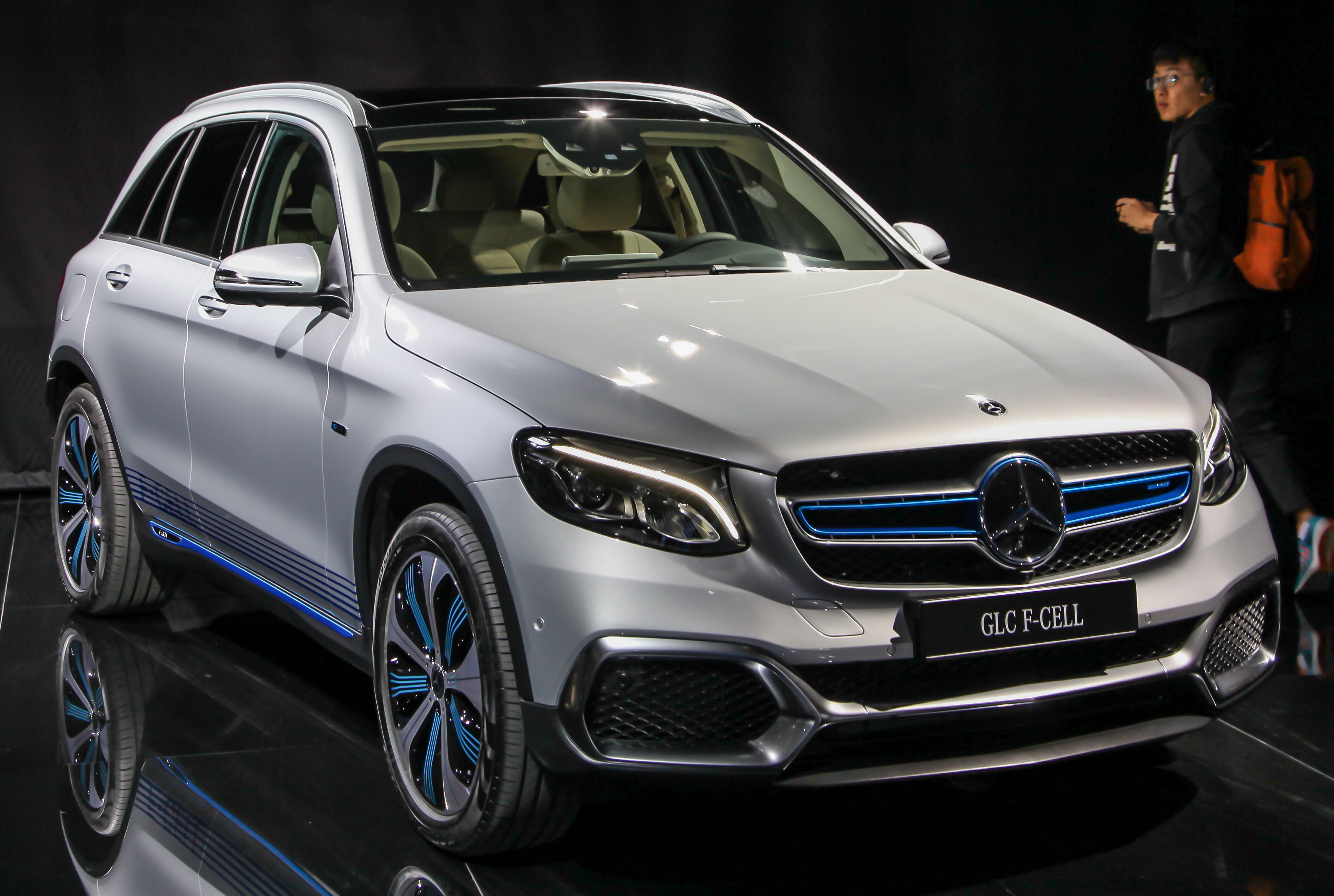
2017 Mercedes GLC
See the complaints, recalls, crash rating, and fuel economy in the public record. Then check the mileage and history of the car you found.
This page shows records, not a buy or avoid call.
The same model year can include a well-kept car and a neglected one. Use these records to plan what to check. Use the specific-car check when you know the mileage.
Complaints filed
115
Reports to NHTSA, 2017
Safety recalls
0
NHTSA campaigns on record
NHTSA crash test
Not rated
Overall NCAP rating
Combined MPG
No data
EPA estimate
Known issues
Engine issues lead owner complaints (19% of 115 reports), followed by electrical system (15%).
+ 10 more component categories with fewer reports.
Share of all 115 NHTSA complaints for this model year, grouped by the component owners named. Bars are scaled to the largest category. Examples: ODI 11076876, ODI 11654950, ODI 11651403, ODI 11649075, ODI 11575152.
Individual complaint reports(115)
Showing the 50 most recent reportsFuel/Propulsion SystemFeb 2026 · ODI 11715888Details +Close −
I smell gas in my car. There is a recall for the fuel parts on the 2019. I have a 2017 with the same issue.
- Reported
- Feb 2026
- Incident date
- Feb 2026
- Mileage
- Not provided
- Outcome flags
- None reported
Seat BeltsFeb 2026 · ODI 11715340Details +Close −
The contact owns a 2017 Mercedes-Benz GLC300. The contact stated that while parked and attempting to release the seat belt, the seat belt remained latched. The contact stated that after the third attempt, the seat belt operated as needed. The failure had occurred in the front driver’s and passenger’s side seat belts. The vehicle was taken to a dealer, where it was determined that the buckle and needed to be replaced. The seat belt buckle was replaced, and the vehicle was repaired. The manufacturer was notified of the failure but offered no assistance because the warranty had expired. The approximate failure mileage was 71,000.
- Reported
- Feb 2026
- Incident date
- Dec 2025
- Mileage
- Not provided
- Outcome flags
- None reported
Air BagsFeb 2026 · ODI 11715404Details +Close −
The contact owns a 2017 Mercedes-Benz GLC300. The contact stated while driving at an undisclosed speed, the messages "Driver’s Air Bag Malfunction - Service Required" and "Collision Prevention Assist Unavailable" were displayed. The vehicle was taken to an independent mechanic who diagnosed and determined that the air bag had malfunctioned. The vehicle was not repaired. The contact called the dealer, but the vehicle was not inspected or repaired. The manufacturer was made aware of the failure and referred the contact to the NHSTA Hotline for assistance. The failure mileage was approximately 130,000.
- Reported
- Feb 2026
- Incident date
- Nov 2025
- Mileage
- Not provided
- Outcome flags
- None reported
VisibilityNov 2025 · ODI 11698964Details +Close −
The contact owns a 2017 Mercedes-Benz GLC300. The contact stated that while driving approximately 30 MPH, the first panel of the panoramic sunroof went off track and failed to close as intended. The contact stated that while inspecting the vehicle, the panoramic sunroof glass was pushed down firmly, and the sunroof closed. The contact attempted to open the sunroof, but the sunroof failed to operate as intended; however, the contact heard a motorized sound coming from the sunroof. The vehicle was not diagnosed or repaired. The manufacturer was notified of the failure and referred the contact to the NHTSA Hotline to report the failure. The failure mileage was approximately 70,000.
- Reported
- Nov 2025
- Incident date
- Nov 2024
- Mileage
- Not provided
- Outcome flags
- None reported
Air BagsNov 2025 · ODI 11697823Details +Close −
Airbag front message
- Reported
- Nov 2025
- Incident date
- Nov 2025
- Mileage
- Not provided
- Outcome flags
- None reported
Power TrainAug 2025 · ODI 11680130Details +Close −
The Valve body control failed. I took the car into the dealership but upon doing some searching this seems to be a common issue amongst owners of this vehicle/make model. The transmission won't go beyond 5th gear (of 9) so it's is dangerous to drive on the interstate. The car doesn't shift into drive, only shifts into N, the reverts automatically to park. It required the engine shutting on/off multiple times and only then does it go into 3rd gear, causing the vehicle to jump due to missing gears. This issue could leave an owner stranded at any time and cause injury due to the limitations of the gears. It was inspected and confirmed behavior by Mercedes in Durham NC. There were no warning lamps, there were no signs of the issue. The technician did plug it in and was able to read the fault codes but it didn't trigger a light. The appeared first about 45 days ago, and the vehicle was taken in to be looked at 7/21/25.
- Reported
- Aug 2025
- Incident date
- Jun 2025
- Mileage
- Not provided
- Outcome flags
- None reported
Electrical SystemJun 2025 · ODI 11669974Details +Close −
My vehicle goes into neutral while driving which poses a major risk.
- Reported
- Jun 2025
- Incident date
- Jun 2025
- Mileage
- Not provided
- Outcome flags
- None reported
VisibilityJun 2025 · ODI 11667611Details +Close −
The contact owns a 2017 Mercedes-Benz GLC300. The contact stated that on several occasions while opening the sunroof, the contact heard an abnormal grinding sound. Additionally, the contact stated that the sunroof failed to close as intended. The vehicle was taken to a dealer where it was diagnosed and determined that the sunroof rails needed to be replaced. The vehicle was not repaired. The manufacturer was notified of the failure. The failure mileage was approximately 82,000.
- Reported
- Jun 2025
- Incident date
- May 2023
- Mileage
- Not provided
- Outcome flags
- None reported
Power TrainJun 2025 · ODI 11666296Details +Close −
Vehicle has previous recalls done and still has the same issues with recall. Srs code no air bag will deploy. Dealer ship refused to service vehicle due to miscommunication and I'm driving a defective vehicle without an airbag which could lead to a bad accident waiting to happened. I will like to file a complaint against Mercedes of Richmond for refusing to service my vehicle without a defective air bag and the passenger seat bear latch doesn't retract properly. So I'm currently dealing with 2 huge safety hazard and was denied service due to a miscommunication with Steven Powers (service technician) at Mercedes of Richmond! I will like an investigation done.
- Reported
- Jun 2025
- Incident date
- Jun 2025
- Mileage
- Not provided
- Outcome flags
- None reported
Power TrainJun 2025 · ODI 11664823Details +Close −
No incident my vehicle has a front left malfunction service required light and issues with the passenger seatbelt not proper latching. Upon checking I notice my car had previous recalls done. It seems as if the same issues has come about. NHTSA: 18v177- seat belt not retracting properly. NHTSA: 17V627 is related to the steering column switch replacement of clock spring. So if me or a family member was to get into an accident no airbag will deploy! Huge safety hazard!
- Reported
- Jun 2025
- Incident date
- Mar 2025
- Mileage
- Not provided
- Outcome flags
- None reported
VisibilityJun 2025 · ODI 11664500Details +Close −
The driver mirror and passenger mirror are warping or having some type of melting effect happening to it.
- Reported
- Jun 2025
- Incident date
- May 2025
- Mileage
- Not provided
- Outcome flags
- None reported
Seat BeltsJun 2025 · ODI 11664416Details +Close −
The contact owns a 2017 Mercedes-Benz GLC300. The contact stated that while driving on several occasions at various speeds, the front passenger’s side seat belt retractor failed to extend or retract as intended and became stuck. The vehicle was not diagnosed or repaired. The manufacturer was not notified of the failure. Additionally, the contact stated that on several occasions while started and running, the message “Service Soon” was displayed. The vehicle was taken to a dealer where it was diagnosed and determined that the clock spring needed to be replaced. The vehicle was not repaired. The manufacturer was notified of the failure. The failure mileage was approximately 120,000.
- Reported
- Jun 2025
- Incident date
- Sep 2024
- Mileage
- Not provided
- Outcome flags
- None reported
Electrical SystemMay 2025 · ODI 11660729Details +Close −
Odometer Fraud. The contact purchased a 2017 Mercedes-Benz GLC43 AMG. The contact stated that while reviewing a Carfax report, it was discovered that there was a mileage discrepancy. The vehicle was a private sale. At the time of purchase, the vehicle mileage was 74,000 and at the time of registration, it was discovered that the mileage was 140,000.
- Reported
- May 2025
- Incident date
- Apr 2025
- Mileage
- Not provided
- Outcome flags
- None reported
EngineApr 2025 · ODI 11654950Details +Close −
-The malfunctioned component is the Positive Crankcase Ventilation. - Vehicle wanted to stall and did not want to accelerate while in the middle lane on the highway with my family. - Yes it has been diagnosis by certified mechanic - The check engine light turned on at the time of the incident and has been turning on and off ever since.
- Reported
- Apr 2025
- Incident date
- Mar 2025
- Mileage
- Not provided
- Outcome flags
- None reported
EngineMar 2025 · ODI 11651403Details +Close −
I was driving and my engine light came on. I ran the code and it came up as P052E which has to do with the positive crankcase ventilation regulator valve. I’ve heard that this part goes out very often on the Mercedes Benz.
- Reported
- Mar 2025
- Incident date
- Mar 2025
- Mileage
- Not provided
- Outcome flags
- None reported
EngineMar 2025 · ODI 11649075Details +Close −
Car stalled in traffic due to code P052E PCV regulator valve
- Reported
- Mar 2025
- Incident date
- Mar 2025
- Mileage
- Not provided
- Outcome flags
- None reported
Fuel SystemJan 2025 · ODI 11637735Details +Close −
The contact owns a 2017 Mercedes-Benz GLC300. The contact stated that while operating the vehicle, the fuel gauge provided incorrect information and indicated that there was no fuel in the fuel tank. The contact stated that the failure was intermittent and sometimes occurred immediately after refueling. The vehicle was taken to the local dealer who diagnosed the vehicle and determined that the fuel tank needed to be replaced. The vehicle was not yet repaired. The manufacturer was notified of the failure, but no assistance was offered. The failure mileage was 55,000. The VIN was not available.
- Reported
- Jan 2025
- Incident date
- Jan 2023
- Mileage
- Not provided
- Outcome flags
- None reported
Fuel/Propulsion SystemDec 2024 · ODI 11631359Details +Close −
Strong gasoline smell coming from the engine bay every morning at start up. I removed protective plastic lining from the under carriage to identify the issue. I identified a lot of gasoline dripping from the top portion of the engine compartment where the High Pressure Fuel Pump is located. There was no warning or check engine lights that alerted of this issue of a gasoline leak. This is very dangerous as it could cause the vehicle to catch fire.
- Reported
- Dec 2024
- Incident date
- Dec 2024
- Mileage
- Not provided
- Outcome flags
- None reported
VisibilityNov 2024 · ODI 11626697Details +Close −
The contact owns a 2017 Mercedes-Benz GLC300. The contact stated while driving at an undisclosed speed, the check engine warning light illuminated. The vehicle was taken back to the dealer and the contact was informed that the vehicle was repaired. The contact stated that the dealer had only reset the codes. In addition, the contact stated that the tire pressure sensor warning light was illuminated. The contact stated that the sunroof latch failed to close as needed using the sunroof power switch. The vehicle was not diagnosed or repaired by an independent mechanic or the dealer. The manufacturer was not made aware of the failure. The failure mileage was approximately 88,100.
- Reported
- Nov 2024
- Incident date
- Oct 2024
- Mileage
- Not provided
- Outcome flags
- None reported
Power TrainOct 2024 · ODI 11619914Details +Close −
The contact owns a 2017 Mercedes-Benz GLC300. The contact stated while driving at an undisclosed speed, the accelerator pedal was depressed, however, the vehicle failed to accelerate as intended. In addition, the check engine warning light illuminated. The vehicle was taken to the dealer where it was diagnosed with a failed positive crank valve. The contact was informed that the positive crank valve needed to be replaced. In addition, the contact was informed that the repair was covered under an extended warranty program, however, the parts were on backorder. The vehicle was not repaired. The contact stated that the failure began in December 2023, however the warranty repair was completed in September 2024, due to parts being on back order. The vehicle was repaired, however, the failure reoccurred. The contact stated while driving at an undisclosed speed, the accelerator pedal was depressed, however, the vehicle failed to accelerate as intended. In addition, the contact heard a loud boom that came from the engine. The vehicle was taken to the dealer where it was diagnosed with a blocked turbo. The contact was informed that the turbo needed to be replaced. The vehicle was not repaired. The manufacturer was made aware of the failure and a case was filed. The failure mileage was approximately 94,000.
- Reported
- Oct 2024
- Incident date
- Dec 2023
- Mileage
- Not provided
- Outcome flags
- None reported
TiresSep 2024 · ODI 11613337Details +Close −
I previously submitted a problem My #11606217 I found out that these tires (2nd set replacement due to tread low within 7 months) I am very concerned that due to the DOT # on these tire is 0119 (last four) which is 5 years old I do not feel safe to travel on tires that is 5 yeas old The original purchase was January 2024. They were replaced (due to tread worn) with these tires August 2024 What is the timeframe for tires purchased I purchased 2 tires previously (front) from the Mercedes dealer 2 years ago and the DOT# is 4622 Please let me know if these tires are safe for long distance
- Reported
- Sep 2024
- Incident date
- Aug 2024
- Mileage
- Not provided
- Outcome flags
- None reported
TiresAug 2024 · ODI 11606217Details +Close −
On [XXX], I purchased 2 Brand New Tires for my vehicle from (Howie's Tires (No. Miami Fl) This company is a DBA Walter James Investments LLC These tires was to be placed on the rear and moved the rear tire (Mercedes) to the front On [XXX], the passenger front tire (Mercedes) blow out due to a nail I was towed along with my vehicle to Howie's to purchased another tire to replace the passenger front. I have always purchased my tires from Mercedes-Benz (Ft Lauderdale, FL) I was told by a mechanic (July 31, 2024) that I would soon need rear tires due to the tread was very low These tires were not 7 months old. I DONT UNDERSTAND I contacted Renzo at Howie's I went in on August 1, 2024 to let them see this. He said also said the tread was low. Another guy (maybe the manager) came out. He started telling me the those were not their tire also I had them rotated. He wanted me to pay for a another tire and he give me one. I said no to his accusations. Today, August 2, 2024, I had these tire installed. I asked them was their a DOT number that should be on my receipt he said no to both times. I was told there is and I will like you to look into this for me. Well after a lot of going back and forth he agreed to replace them I submit this form to find out if the tires that was replaced (for purchased January 24)and the passenger front tire (purchased? is indeed brand new Run Flat tires Please let me know the DOT number Thanks so much INFORMATION REDACTED PURSUANT TO THE FREEDOM OF INFORMATION ACT (FOIA), 5 U.S.C. 552(B)(6)
- Reported
- Aug 2024
- Incident date
- Jan 2024
- Mileage
- Not provided
- Outcome flags
- None reported
Electrical SystemJun 2024 · ODI 11595688Details +Close −
The contact owns a 2017 Mercedes-Benz GLC300. The contact stated while driving at an undisclosed speed, the vehicle inadvertently lost motive power. The contact was able to pull over to the shoulder of the roadway, where the vehicle was able to be restarted. No warning lights were illuminated. The vehicle was taken to the dealer, who diagnosed a failure with the battery. The vehicle was repaired, but the failure reoccurred. The vehicle was taken to the dealer, who then diagnosed a failure with the alternator. The vehicle was repaired. The manufacturer was not notified of the failure. The failure mileage was unknown.
- Reported
- Jun 2024
- Incident date
- Jun 2024
- Mileage
- Not provided
- Outcome flags
- None reported
Power TrainJun 2024 · ODI 11595449Details +Close −
The contact owns a 2017 Mercedes-Benz GLC300. The contact stated that while at a stop light, the vehicle independently shifted to neutral(N) for approximately 5 minutes. The vehicle failed to release from neutral when the driver shifted the gear shifter. The contact stated that the transmission then released from neutral(N), and the vehicle jolted forward. The check engine warning light was illuminated. The vehicle was taken to an independent mechanic, who was unable to determine the cause of the failure. The local dealer was not contacted. The vehicle was not diagnosed or repaired. The manufacturer was not contacted. The failure mileage was approximately 75,000.
- Reported
- Jun 2024
- Incident date
- Jun 2024
- Mileage
- Not provided
- Outcome flags
- None reported
Fuel SystemMay 2024 · ODI 11590367Details +Close −
The contact owns a 2017 Mercedes-Benz GLC300. The contact stated that she detected an abnormally strong fuel odor after parking the vehicle, and while starting the vehicle. The vehicle was not diagnosed or repaired by an independent mechanic or dealer. The manufacturer was not made aware of the failure. The failure mileage was approximately 70,000.
- Reported
- May 2024
- Incident date
- Mar 2024
- Mileage
- Not provided
- Outcome flags
- None reported
Unknown Or OtherApr 2024 · ODI 11585537Details +Close −
Sunroof just exploded
- Reported
- Apr 2024
- Incident date
- Apr 2024
- Mileage
- Not provided
- Outcome flags
- None reported
Visibility/WiperMar 2024 · ODI 11578068Details +Close −
The contact owns a 2017 Mercedes-Benz GLC300. The contact stated that while driving at an undisclosed speed, the windshield wiper blades detached. The contact stated that the vehicle was purchased new in 2017. The contact stated that whenever it rained and the wipers were activated, the wiper blades would detach and flop over the front windshield. The contact stated that the vehicle had been taken to the dealer several times and the wiper blades had been replaced several times; however, the failure was persistent. The vehicle was not diagnosed or repaired by an independent mechanic or dealer. The manufacturer was made aware of the failure and a case was filed. The failure mileage was approximately 500.
- Reported
- Mar 2024
- Incident date
- Jul 2017
- Mileage
- Not provided
- Outcome flags
- None reported
Electrical SystemMar 2024 · ODI 11577867Details +Close −
Error message of collision prevention assist inoperable. Mercedes dealer wants $400 to look at it only.
- Reported
- Mar 2024
- Incident date
- Mar 2024
- Mileage
- Not provided
- Outcome flags
- None reported
EngineMar 2024 · ODI 11575152Details +Close −
Check Engine light came on. Mercedes Benz authorized service mechanic confirmed it is code P052E - Positive Crankcase Ventilation regulator valve issues that can cause engine to seize while driving. Vehicle has always been serviced regularly at authorized dealer service center. Current estimated Repair and replacement cost $9,700+ . Mercedes Benz authorized Service Center informed that the part is backordered and no estimated date available.
- Reported
- Mar 2024
- Incident date
- Feb 2024
- Mileage
- Not provided
- Outcome flags
- None reported
EngineFeb 2024 · ODI 11574645Details +Close −
Engine light. Told by Mercedes mechanic it is a code P052E - positive crankcase ventilation regulator valve issues that can cause engine to seize while driving. Repair cost $2,500+
- Reported
- Feb 2024
- Incident date
- Jan 2024
- Mileage
- Not provided
- Outcome flags
- None reported
Electrical SystemJan 2024 · ODI 11569161Details +Close −
The last time I drove my vehicle was Monday [XXX] which that day it was raining. I covered my car with my car cover that day because I don't use my vehicle often and being that it was raining I covered it and my vehicle was fine on this day. On Monday [XXX] it was raining as well, I took off my car cover off and when we opened the trunk of the vehicle we noticed that the trunk was wet including the bag to my car cover. We also noticed from the trunk opening that the vehicle had some spots of mold and there was also mold spots on the back of the seat right side of vehicle. I had an appointment at Mercedes Benz dealership in Portland Oregon to change my transmission & engine oil. As I drove the vehicle to the dealership for my appointment my daughter and I noticed drops of water falling on us and we didn't have our windows open because it was raining. The water was coming from the sunroof area and the sunroof wasn't open. We kept driving until we got to the dealership and once we got there we noticed that the back seats were also wet and the right side back seat had a few spots of mold on the seatbelt. We left the vehicle at the dealership. Today Wednesday [XXX] the dealership is stating that because the sunroof is used so much the parts in that area due to wear and tear it's no longer working properly. They are charging my daughter 500.00 for a water test that they did to the top of the sunroof and for changing the seals the the sunroof and the back of the trunk they are charging I believe an additional 736.00. I feel that there is something wrong with the sunroof this vehicle. My daughter only drove it for about one year and in May 2018 I became the only driver of this vehicle and to be honest I don't even open the sunroof at all. The dealership is stating that it will cost approximately 15,000.00 to fix this problem and if not considering this vehicle a total loss. We are going to be contacting our insurance and see what happens. INFORMATION REDACTED PURSUANT TO THE FREEDOM OF INFORMATION ACT (FOIA), 5 U.S.C. 552(B)(6)
- Reported
- Jan 2024
- Incident date
- Nov 2023
- Mileage
- Not provided
- Outcome flags
- None reported
Fuel/Propulsion SystemJan 2024 · ODI 11565695Details +Close −
Smell of gas
- Reported
- Jan 2024
- Incident date
- Jan 2024
- Mileage
- Not provided
- Outcome flags
- None reported
Electrical SystemJan 2024 · ODI 11563324Details +Close −
After noticing my engine light come on, I had my vehicle checked out, the dealer informed (after spending $250.00) that the problem is the crankcase ventilation and it's a common problem. It seems the oh so familiar crankcase ventilation system is not working. This is a common problem with the GLC300 and Mercedes Benz needs to correct it. The engine is not being ventilated properly and the overwhelming smell of gasoline engulfs the interior of the vehicle. This is putting mine and the life of my family at risk, due to a faulty manufacturer issue. Mecedes Benz needs to obviously correct the faulty parts they use as soon as possible, before someone loses their life.
- Reported
- Jan 2024
- Incident date
- Aug 2023
- Mileage
- Not provided
- Outcome flags
- None reported
Seat BeltsNov 2023 · ODI 11557169Details +Close −
The seat belt latch in the second seating row, the outboard seatbelt latch plate retracted into the area between the c-pillar paneling and the rear side paneling. The rear occupant was not be able to fasten the seat belt latch. The latch plate retracted behind the panel and the seat belt for the affected rear seat was not be available for fastening. I was able to grab the latch plate with a pliers and bring it out from behind the panel but I am afraid this situation will occur again. I checked my VIN against you checker and it says NO RECALL is pending. I assume MB did not include this VIN in its report to you or falsely claimed the vehicle was repaired. reference # 2018030012, May 2018
- Reported
- Nov 2023
- Incident date
- Nov 2023
- Mileage
- Not provided
- Outcome flags
- None reported
EngineOct 2023 · ODI 11549111Details +Close −
Engine light - crankcase vent valve issue
- Reported
- Oct 2023
- Incident date
- Sep 2022
- Mileage
- Not provided
- Outcome flags
- None reported
Unknown Or OtherSep 2023 · ODI 11543342Details +Close −
P052E code showing on the diagnostic machine. This is an issue with the positive crankcase ventilation regularly valve. I’ve read that this is a common issue with my vehicle that often happens after the warranty expires.
- Reported
- Sep 2023
- Incident date
- Sep 2023
- Mileage
- Not provided
- Outcome flags
- None reported
EngineAug 2023 · ODI 11539238Details +Close −
The Positive Crankcase Ventillation harness fails and check engine light goes on. Through my research I found that many C class and GLC class with same engine have had similar issues and there was a recall and covered. My particular VIN was not included in the recall but had this check engine warning sign before 50K miles warranty expires. The light always went away but now it has come back on for the third time and not going away. The cost to replace this simple module is mostly labor at 8 hours is around $2,000. I believe this is an emission component and need to be covered under state and federal emission standards warranty. The initial recall with this issue should be involved with same engine and cover all cars and SUV's with same engine. I do believe this is an Emission control device that is regulated by state and federal standards and should be covered under warranty.
- Reported
- Aug 2023
- Incident date
- Feb 2023
- Mileage
- Not provided
- Outcome flags
- None reported
Unknown Or OtherAug 2023 · ODI 11538409Details +Close −
Premature failure of the PCV assembly at 70,000 miles. Caused vehicle to turn off and sometimes engine to shake.
- Reported
- Aug 2023
- Incident date
- Jun 2023
- Mileage
- Not provided
- Outcome flags
- None reported
VisibilityAug 2023 · ODI 11537123Details +Close −
The contact owns a 2017 Mercedes-Benz GLC300. The contact stated while activating the front windshield wipers, the wiper blades started scratching the front windshield. The vehicle was taken to the dealer and the front windshield was replaced. The contact stated that the failure occurred several times before the failure was corrected. On another occasion while entering the front driver side door, the contact became aware that the extended bar in the seat had protruded through the seat cover. The vehicle was taken to the dealer and the contact was informed that the front driver’s side seat needed to be replaced. The vehicle was repaired but the contact stated that the failure had occurred several times before the failure was corrected. On another occasion, the contact became aware that there was fluid leaking from the vehicle. The contact examined the vehicle and notice that the windshield washer fluid was leaking from the washer fluid reservoir. The vehicle was taken to an independent mechanic and was informed that the windshield washer fluid reservoir needed to be replaced. The contact was advised to contact the local dealer. The vehicle was taken to the dealer who stated that the vehicle needed to be diagnosed. The vehicle was not repaired. The manufacturer was contacted and referred the contact to the dealer. The failure mileage was 32,831.
- Reported
- Aug 2023
- Incident date
- Jul 2023
- Mileage
- Not provided
- Outcome flags
- None reported
EngineJul 2023 · ODI 11532016Details +Close −
Positive crankcase ventilation system failure. P052e(77)
- Reported
- Jul 2023
- Incident date
- Jul 2023
- Mileage
- Not provided
- Outcome flags
- None reported
Fuel/Propulsion SystemMay 2023 · ODI 11520804Details +Close −
CRANKCASE VENT VALVE PCV ENGINE LIGHT ON AIR POLLUTION DANGER STALLING DANGER
- Reported
- May 2023
- Incident date
- Jan 2023
- Mileage
- Not provided
- Outcome flags
- None reported
Electrical SystemMay 2023 · ODI 11520184Details +Close −
Odometer reading more miles then driven (may have been tampered with altered) There is an electrical issue The computer required to be reprogrammed has not been done yet While driving the vehicle completely stop accelerating in the middle of traffic on the interstate placed my life in danger especially because traffic was moving rapidly the vehicle was jerking horribly also several codes came on when the service light came on also needed a pcp vale hose system they never repaired it i asked to have it repaired they agreed and then stated the vehicle had to many issues was sending to auction but yet reselling the vehicle still have not repaired completely this could be dangerous
- Reported
- May 2023
- Incident date
- Mar 2023
- Mileage
- Not provided
- Outcome flags
- None reported
EngineApr 2023 · ODI 11519210Details +Close −
There are lots of 2017 GLC 300 that has been having issues with PCV system that are malfunctioning that could cause engine failure. Customers are forced to spend $2000 plus to have this fixed rather than Mercedes owning its problem and fixing it. For your reference please check glcforum.com where glc owners are ranting their issues with PCV systems. https://www.glcforums.com/threads/2019-glc300-4matic-pcv-code-crankcase-ventilation-oil-separator.7997/
- Reported
- Apr 2023
- Incident date
- Apr 2023
- Mileage
- Not provided
- Outcome flags
- None reported
EngineApr 2023 · ODI 11518213Details +Close −
Intake and exhaust cam shaft and adjuster failure at 83,000 miles. Failure caused vehicle not to accelerate and stalled starts. Was on the highway when vehicle wouldn’t accelerate putting driver and others on road in danger. Repair on vehicle costing over $5k and MBUSA has no recourse due to vehicle being out of warranty. Per techs this issue should not happen to the engine.
- Reported
- Apr 2023
- Incident date
- Apr 2023
- Mileage
- Not provided
- Outcome flags
- None reported
Power TrainApr 2023 · ODI 11515975Details +Close −
One morning I was driving the GLC-300 about 45 mph, when suddenly the car went from 45mph to 0 in 3 seconds. The car stopped and it would not move forward. The car was towed to the Mercedes Benz dealership and it was discovered that front differential was broken. The car has 55k original miles and it's maintained very well. There was no warming light on the dashboard to indicate this problem. If the car was traveling at speed of 55 or 65 mph, it could have caused a catastrophe. This is very unusual for front differential to break. This needs to be investigated by NHTSA and I'm sure there are other customer that run into this issue. Since the car out of manufacture warranty, Mercedes Benz covered the cost of the part, but I had to pay for the labor which was a lot. The dealership admitted that it was unusual for the front differential to break specially for Mercez Benz car.
- Reported
- Apr 2023
- Incident date
- Mar 2023
- Mileage
- Not provided
- Outcome flags
- None reported
Forward Collision AvoidanceFeb 2023 · ODI 11508244Details +Close −
Collision prevention assist inoperative. Car at local Mercedes dealer. Told that a $317 software update was required to make system operative again. I do not understand how it is ethical for a corporation to alter their software, make a safety system inoperative, and the ask the customer to pay to make system operative again via a software update. This is unethical, a significant safety concern and just wrong. Thank you, [XXX] INFORMATION Redacted PURSUANT TO THE FREEDOM OF INFORMATION ACT (FOIA), 5 U.S.C. 552(B)(6).
- Reported
- Feb 2023
- Incident date
- Feb 2023
- Mileage
- Not provided
- Outcome flags
- None reported
Unknown Or OtherFeb 2023 · ODI 11504950Details +Close −
vent valve po52e71 - I have found thousands of the same issue with my car online. Mercedes covers this piece as an emission piece for Deisal Engine but not gas engines. This peice needs to be recalled and covered under emissions warranty asap.
- Reported
- Feb 2023
- Incident date
- Jun 2022
- Mileage
- Not provided
- Outcome flags
- None reported
SteeringJan 2023 · ODI 11500662Details +Close −
2017 Mercedes Benz GLC 300 Coupe 27,700 miles. I was driving on MD I-95 when the Power Steering Malfunction warning light came on and I lost power steering. I got off the next exit. Steering was very difficult especially when the car slowed. The Mercedes Benz dealer is replacing the electronic steering power control unit, power steering motor and steering rack. Cost $4910. Mercedes Benz has had GLC 300 recalls for Power Steering Malfunction but not for my model year.
- Reported
- Jan 2023
- Incident date
- Dec 2022
- Mileage
- Not provided
- Outcome flags
- None reported
Unknown Or OtherDec 2022 · ODI 11497913Details +Close −
The Panoramic roof glass exploded suddenly. Throwing shattered glass pieces on the Highway and into the cabin of the car. No object or environmental conditions caused this incident. It just exploded while driving ~ 50mph
- Reported
- Dec 2022
- Incident date
- Dec 2022
- Mileage
- Not provided
- Outcome flags
- None reported
EngineNov 2022 · ODI 11492923Details +Close −
With a low milage car receiving a P052E positive crankcase ventilation regulator valve performance issue.
- Reported
- Nov 2022
- Incident date
- Nov 2022
- Mileage
- Not provided
- Outcome flags
- None reported
This page shows the latest 50 reports to keep it usable. The count above includes every complaint NHTSA has returned for this model year.
Recalls
No recalls are listed for this model year as of Jul 2026. Recall records can change when NHTSA publishes new information.
A campaign can apply to this model year without being incomplete on a specific vehicle. Check the VIN with NHTSA or a dealer to confirm whether a particular car needs repair.
Investigations
1 NHTSA investigation on record
Investigations are agency reviews, not findings that a vehicle is defective.
From 2000 through 2017, Takata produced millions of air bag inflators using two types of phase-stabilized ammonium nitrate ("PSAN") propellant -- propellant 2004 and propellant 2004L. After prolonged exposure to high temperature cycles and humidity, inflators using propellant 2004 can degrade, causing the propellant to burn too quickly when ignited. The rapid burning can cause the inflator to rupture during deployment, potentially causing serious or even fatal injury to vehicle occupants. See 2016 Blomquist Report at www.nhtsa.gov/sites/nhtsa.gov/files/documents/expert_report-hrblomquist.pdf.Consequently, all frontal inflators using propellant 2004 that do not contain a "desiccant" (a substance that traps and holds moisture) in US vehicles are under recall. These "non-desiccated" inflators either have been or are required to be replaced.In some cases, the remedy part for these recalled inflators was, or will be, an inflator using either propellant 2004 or 2004L that does contain a desiccant. None of these "desiccated" remedy parts (which were installed in older model year vehicles) are currently under recall for a degradation concern. Certain subsets of desiccated PSAN inflators using propellant 2004 for use as original equipment, however, have been recalled for a degradation concern. All Takata inflators produced with propellant 2004L contain desiccant, and none of these desiccated inflators using propellant 2004L are under recall for a degradation concern. There have been no reported field ruptures in any non-recalled desiccated PSAN inflators.It is understood that desiccants fully saturate at some threshold, at which point any additional moisture will not be captured. This means the degradation process observed in non-desiccated inflators using propellant 2004 may also occur in non-recalled desiccated inflators using propellant 2004, assuming additional moisture enters the inflator and high temperature cycling occurs. Based on available information, desiccant saturation can occur within the first five years in the worst environments, and the time required for full saturation is affected by multiple factors. While no present safety risk has been identified, further work is needed to evaluate the future risk of non-recalled desiccated inflators using propellant 2004.Three entities -- Takata (now known as TK Global), the Independent Testing Coalition, and Exponent -- have been studying the long-term behavior of Takata desiccated PSAN inflators using propellant 2004L (as well as 2004) in the presence of moisture and temperature cycling. The research efforts, which include development of predictive modeling techniques and field sample analysis, are ongoing. To date, none of the researchers have identified field evidence showing that propellant 2004L is undergoing a degradation process that leads to aggressive deployment and potential rupture. However, the time in service of such inflators remains short compared to that of the inflators using propellant 2004. Further study is needed to assess the long-term safety of desiccated inflators using propellant 2004L.The Office of Defects Investigation is opening this investigation to examine whether a safety defect related to propellant degradation exists in non-recalled desiccated PSAN frontal inflators manufactured by Takata. This investigation will require extensive information on Takata production processes and surveys of inflators in the field. Lists of recall actions that may have used desiccated PSAN inflators as remedy parts, as well as the makes and models originally manufactured with them, is available with the downloadable version of this document (see nhtsa.gov/recalls?nhtsaId=EA21002 -- note this information is subject to change/revision as the investigation proceeds). This investigation does not supersede EA15-001, which remains open.
Crash-test ratings
2017 Mercedes-Benz GLC-Class SUV RWD NHTSA source
- Overall
- Not rated
- Frontal
- Not rated
- Side
- Not rated
- Rollover
- Not rated
2017 Mercedes-Benz GLC-Class SUV 4WD NHTSA source
- Overall
- Not rated
- Frontal
- Not rated
- Side
- Not rated
- Rollover
- Not rated
Fuel economy by trim
No EPA fuel-economy record is available for this model year. Some trims and older vehicles were not tested or are not in the current EPA feed.
Before you buy
Useful next checks
Federal records tell you about patterns. These checks can tell you more about the specific car in front of you.
These are affiliate links. TireKick may earn a fee if you use one.
Compare the year-by-year record
Open another year for its own evidence-gated decision. TireKick does not crown a best year from raw complaint totals.
2017 Mercedes GLC: frequently asked
What does the complaint record show for the 2017 Mercedes GLC?
Owners filed 115 NHTSA complaints about the 2017 Mercedes GLC. This is raw owner-reported complaint volume with no production or exposure normalization, so it is not a reliability score or a best/worst-year ranking.
What are the most common problems on the 2017 Mercedes GLC?
The most-reported problem areas are Engine (19% of complaints) and electrical system (15%).
How many recalls does the 2017 Mercedes GLC have?
No safety recalls are on record for the 2017 Mercedes GLC as of Jul 2026.
What gas mileage does the 2017 Mercedes GLC get?
EPA fuel-economy figures for the 2017 Mercedes GLC aren't available yet.