Model-year record
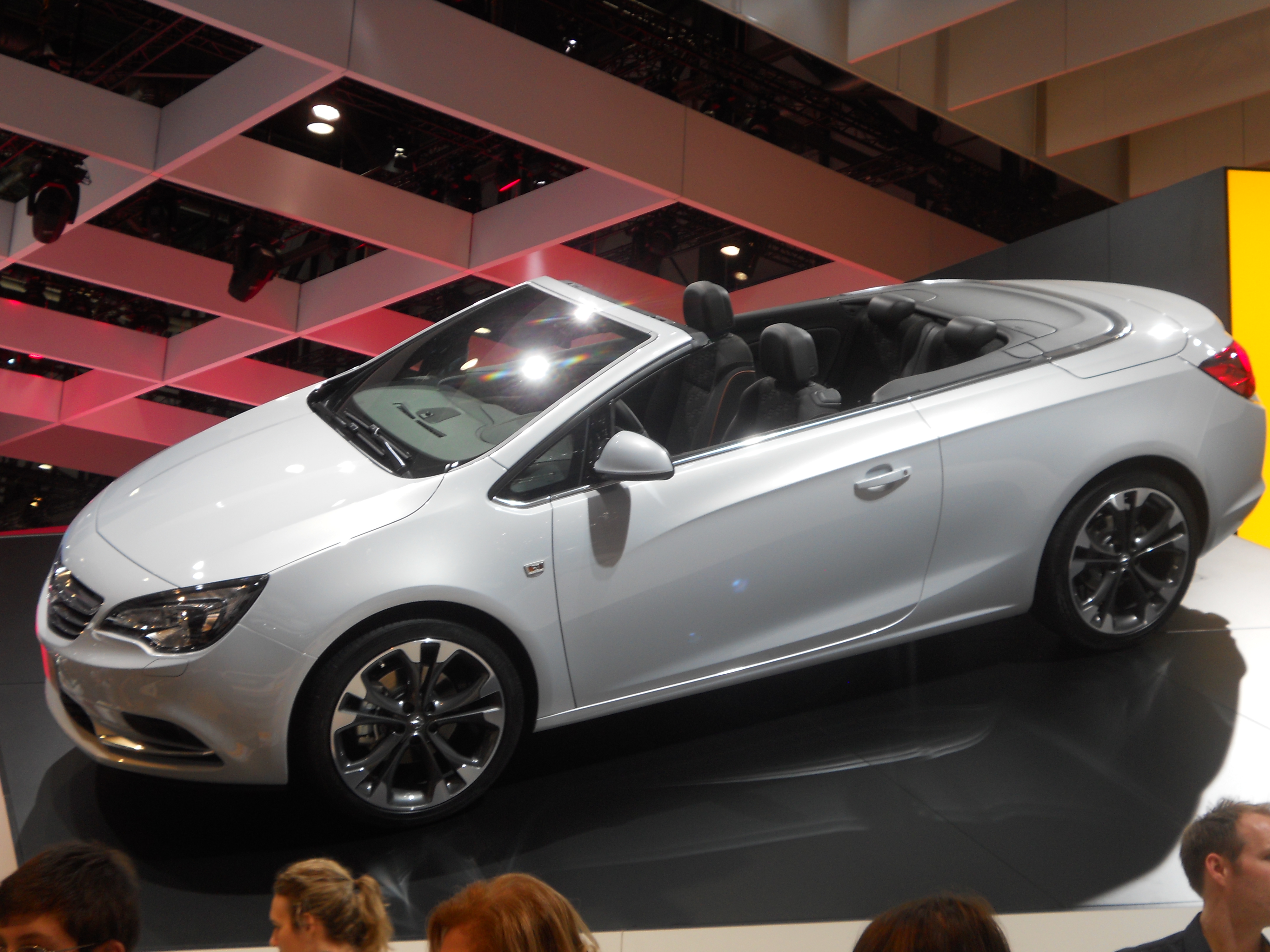
2016 Buick Cascada
See the complaints, recalls, crash rating, and fuel economy in the public record. Then check the mileage and history of the car you found.
This page shows records, not a buy or avoid call.
The same model year can include a well-kept car and a neglected one. Use these records to plan what to check. Use the specific-car check when you know the mileage.
Complaints filed
21
Reports to NHTSA, 2016
Safety recalls
1
NHTSA campaigns on record
NHTSA crash test
Overall NCAP rating
Combined MPG
23
EPA estimate
Known issues
Structure issues lead owner complaints (38% of 21 reports), followed by electrical system (14%).
Share of all 21 NHTSA complaints for this model year, grouped by the component owners named. Bars are scaled to the largest category. Examples: ODI 11731096, ODI 11718797, ODI 11718833, ODI 11582433, ODI 11450750.
Individual complaint reports(21)
Showing the 21 most recent reportsEngine And Engine CoolingJun 2026 · ODI 11745874Details +Close −
The contact owns a 2016 Buick Cascada. The contact stated that while driving at an undisclosed speed, the vehicle made an abnormal squealing sound. The vehicle was subsequently taken to the dealer, where it was diagnosed with a PCV valve failure. The vehicle was not repaired. The manufacturer was not notified of the failure. The approximate failure mileage was 19,000.
- Reported
- Jun 2026
- Incident date
- Jun 2026
- Mileage
- Not provided
- Outcome flags
- None reported
StructureApr 2026 · ODI 11731096Details +Close −
Buick Cascada back window on the convertible tops coming apart, causing flooding inside the car, also there's a danger the window will come out driving down the road. Buick refuses to do anything.
- Reported
- Apr 2026
- Incident date
- Jan 2021
- Mileage
- Not provided
- Outcome flags
- None reported
StructureFeb 2026 · ODI 11718797Details +Close −
The rear window of the convertible top starts to pull away from the top itself. Could separate and displace entirely causing damage or injury behind.
- Reported
- Feb 2026
- Incident date
- Feb 2026
- Mileage
- Not provided
- Outcome flags
- None reported
StructureFeb 2026 · ODI 11718833Details +Close −
The back window on the convertible top has separated from the fabric. Buick dealership said it was not a covered item under the extended warranty. We tried to glue it back down but it keeps separating all around. Dangerous situation because it could separate completely during travel and cause an accident/injury to others. Should be a recall item since it is being reported by several other Cascada owners.
- Reported
- Feb 2026
- Incident date
- Apr 2022
- Mileage
- Not provided
- Outcome flags
- None reported
Engine And Engine CoolingSep 2025 · ODI 11688051Details +Close −
See attached document for complaint.
- Reported
- Sep 2025
- Incident date
- Aug 2025
- Mileage
- Not provided
- Outcome flags
- None reported
VisibilityJul 2025 · ODI 11675525Details +Close −
The contact owns a 2016 Buick Cascada. The contact stated that when his wife entered the vehicle, the rear passenger’s side window automatically rolled down when the vehicle was started. The contact was unable to confirm if any warning lights were illuminated. The contact stated that the failure was related to NHTSA Campaign Number: 16V844000 (Visibility). The local dealer was not contacted. The vehicle was not diagnosed or repaired. The manufacturer was contacted and confirmed that the VIN was not under recall. The failure mileage was approximately 80,000.
- Reported
- Jul 2025
- Incident date
- Jan 2023
- Mileage
- Not provided
- Outcome flags
- None reported
Seat BeltsDec 2024 · ODI 11630157Details +Close −
The motor is out of the seat belt presenter on the driver's side. It does not present and makes a horrible sound. This part was ordered in July, 2024. I've contacted the dealer and Buick directly to find out when I can expect the part to be replaced. They've told me that the back is on an extended back order. I asked if the part could be replaced with a used part. They told me that because it's a safety-sensitive part, it has to be replaced with a new part. But this part has been on back order for months with no delivery in sight, and they expect me to drive my car like this with this "safety" issue compromised.
- Reported
- Dec 2024
- Incident date
- Jul 2024
- Mileage
- Not provided
- Outcome flags
- None reported
StructureApr 2024 · ODI 11582433Details +Close −
The rear window on the Cascada is known to separate from the convertible top material, likely due to an insufficient amount of primer used during the assembly process, which creates stress points allowing the material to separate from the glass. Once this bond has started to fail, it is eventually going to lead to the glass completely falling off the car. It is likely that the glass separating could render the rear defrost inoperable, too, decreasing visibility. NHTSA bulletin 17-NA-216 describes this problem; why was no recall ever issued?
- Reported
- Apr 2024
- Incident date
- Apr 2024
- Mileage
- Not provided
- Outcome flags
- None reported
Electrical SystemMar 2024 · ODI 11580207Details +Close −
My convertible top is not lining up with the windows. When it rain water on the floor . U don’t see where it’s coming from . I just see large amount of water
- Reported
- Mar 2024
- Incident date
- Jan 2024
- Mileage
- Not provided
- Outcome flags
- None reported
VisibilityMay 2022 · ODI 11466069Details +Close −
The contact owns a 2016 Buick Cascada. The contact stated that the rear windshield glass had begun to separate from the convertible top headliner. The contact attempted to repair the failure by using epoxy glue, but the failure returned over time. The contact took the vehicle to a dealer where she was provided a quote to replace the top. Upon investigation, the contact discovered a service bulletin Manufacturer Communication Number: 17NA216 which she linked to the failure. The manufacturer was notified of the failure but provided no assistance. The vehicle was not repaired. The failure mileage was approximately 80,000.
- Reported
- May 2022
- Incident date
- Jul 2020
- Mileage
- Not provided
- Outcome flags
- None reported
Unknown Or OtherMar 2022 · ODI 11455952Details +Close −
My rear window of my car is becoming unglued from the top. I talked to the GM dealership nearby, and they told me I needed a new top. There was a memo put out in 2019 stating that this was happening due to not having enough primer from the manufacturer. This is a safety hazard. If my window falls out, it can create a crash and harm any vehicle behind me. If GM knew this part was bad because of a manufacturer, they should be liable to fix the problem.
- Reported
- Mar 2022
- Incident date
- Feb 2022
- Mileage
- Not provided
- Outcome flags
- None reported
StructureFeb 2022 · ODI 11450750Details +Close −
My back window glass on convertible too is coming unsealed from the convertible top, if I pay to replace the top this has been reported 6 times already, and will happen again. Pointless to pay $3,000 dollars to have my top replaced. The glass is going to end up coming completely unsealed and fly off and hit someone’s car and cause an accident. My car has low milage and is financed under a reputable Buick dealership. This needs to be recalled immediately! The pictures I submitted are from a week ago, and the glass is now even more separated from the fabric.
- Reported
- Feb 2022
- Incident date
- Jan 2022
- Mileage
- Not provided
- Outcome flags
- None reported
VisibilityJun 2021 · ODI 11420274Details +Close −
The contact owns a 2016 Buick Cascada. The contact stated that the rear windshield separated from the convertible top making it difficult to secure the top of the vehicle. The contact took the vehicle to the dealer who stated that the window and top of the vehicle needed to be replaced. The vehicle had not been repaired. The manufacturer was made aware of the failure. The contact was informed that the Vin was not under recall. The approximate failure mileage was 18,000.
- Reported
- Jun 2021
- Incident date
- May 2021
- Mileage
- Not provided
- Outcome flags
- None reported
WheelsFeb 2021 · ODI 11396566Details +Close −
I PURCHASED MY 2016 BUICK CASCADA IN 2017, IN THE SUMMER OF 2018 I NOTICED THE PAINT CHIPPING OFF ALL 4 OF MY RIMS. THEN IN DECEMBER OF 2020 I NOTICED THE BACK WINDOW STARTED TO BECOME UNATTACHED FROM THE CONVERTIBLE TOP. THE VEHICLE IS NOW OUT OF WARRANTY AND THE DEALERSHIP TELLS ME I NEED TO REPLACE THE ENTIRE TOP, WHICH IS ABSOLUTELY RIDICULOUS. I PAID $38,000 FOR A VEHICLE THAT IS FALLING APART. I DON'T UNDERSTAND WHY GENERAL MOTORS IT'S NOT HELD RESPONSIBLE FOR THIS?
- Reported
- Feb 2021
- Incident date
- Dec 2020
- Mileage
- Not provided
- Outcome flags
- None reported
StructureDec 2020 · ODI 11378152Details +Close −
THE BACK WINDOW IS COMING AWAY FROM THE FABRIC TOP. HAD BEEN GETTING WORSE FOR MONTHS. I HAVE COMPLAINED TO GM. I WAS TOLD TO TAKE MY CAR TO DEALERSHIP I DID THAT MONTHS AGO, WHEN I STILL HAD WARRANTY. NOTHING WAS DONE. I HAVE TAKEN IT AGAIN TO DEALERSHIP BECAUSE THE WINDOW IS COMING OUT MORE. I NOW HAVE TO GET IT FIXED AND I HAVE TO PAY A PORTION OF THE COST OF A NEW TOP, SINCE THE WINDOW CANNOT BE PUT BACK PROPERLY. I AM MAD THAT THE DEALERSHIP WOULD NOT HELP WHEN IT FIRST STARTED AND THAT MOW. I HAVE TO PAY SOME NOW THAT I AM OUT OF WARRANTY.
- Reported
- Dec 2020
- Incident date
- Nov 2020
- Mileage
- Not provided
- Outcome flags
- None reported
StructureJul 2020 · ODI 11339734Details +Close −
THE REAR GLASS WINDOW IS LIFTING ON THE BOTTOM LEFT CORNER. MY HUSBAND JUST NOTICED IT ONE DAY. A SERVICE BULLETIN WAS RELEASED BY GM IN NOVEMBER, 2019 REGARDING THIS ISSUE. MY INSURANCE WON'T COVER IT AS IT WAS NOT CAUSED BY AN OUTSIDE FORCE. SAFETY HAZARD: IF I DRIVE WITH MY WINDOWS OPEN AND TOP UP, I'M AFRAID THE PRESSURE WILL CAUSE THE WINDOW TO DETACH, WHICH WOULD INJURE ANY VEHICLE BEHIND ME. THIS SHOULD BE A GM RECALL. THE GLASS CAN NOT BE REPLACED WITHOUT REPLACING THE ENTIRE SOFT TOP.
- Reported
- Jul 2020
- Incident date
- Jun 2020
- Mileage
- Not provided
- Outcome flags
- None reported
Electrical SystemSep 2019 · ODI 11256130Details +Close −
TL* THE CONTACT OWNS A 2016 BUICK CASCADA. WHILE DRIVING VARIOUS SPEEDS, THE VEHICLE SUDDENLY DECELERATED AND/OR SHUT COMPLETELY OFF. THE VEHICLE WAS RETURNED TO ED MORRIS AUTO BLVD (10133 US HWY 19, PORT RICHIE, FL) ON FIFTEEN SEPARATE OCCASIONS FOR THE SAME FAILURE. DURING THE SERVICE VISITS, THE BATTERY AND TURBO CHARGER WERE REPLACED, BUT THE FAILURES CONTINUED. THE MANUFACTURER WAS NOTIFIED OF THE FAILURES. THE FAILURE MILEAGE WAS 5,000. THE VIN WAS INVALID.
- Reported
- Sep 2019
- Incident date
- Jan 2016
- Mileage
- Not provided
- Outcome flags
- None reported
Service BrakesMar 2019 · ODI 11185795Details +Close −
ON TWO (2) OCCASIONS DURING A TWO WEEK PERIOD THE FRONT BREAKS HAVE LOCKED WHILE IN MOTION (ONCE ON A CITY STREET & ONCE ON LOCAL HIGHWAY) BRAKES WERE REPLACED ON FIRST EVENT & VEHICLE IS BEING INSPECTED AFTER TOWING TO BUICK DEALER AFTER SECOND EVENT.
- Reported
- Mar 2019
- Incident date
- Feb 2019
- Mileage
- Not provided
- Outcome flags
- None reported
StructureOct 2017 · ODI 11033212Details +Close −
TL* THE CONTACT OWNS A 2016 BUICK CASCADA. WHILE DRIVING APPROXIMATELY 1 MPH, THE VEHICLE DROVE OVER A CURB. WHEN THE VEHICLE WAS TAKEN TO AXELROD GMC BUICK (PARMA, OH, 216-661-5060) FOR AN OIL CHANGE, THE TECHNICIAN DIAGNOSED THAT THERE WAS A CRACK IN THE FRAME. THE MANUFACTURER WAS MADE AWARE OF THE FAILURE AND SENT AN INVESTIGATOR TO ASSESS THE DAMAGE. THE INVESTIGATOR WAS UNABLE TO DETERMINE THE CAUSE OF THE FAILURE. THE CONTACT WAS OFFERED A RENTAL VEHICLE WHILE THE DEALER KEPT THE VEHICLE FOR INVESTIGATION. WHEN THE CONTACT RETRIEVED THE VEHICLE, SHE NOTICED THAT ALL PARTS OF THE VEHICLE, INCLUDING THE STEERING WHEEL AND SEATS, VIBRATED. THE DEALER WAS UNABLE TO EXPLAIN THE CAUSE OF THE FAILURES AND DID NOT TEST DRIVE THE VEHICLE. THE MANUFACTURER WAS MADE AWARE OF THE FAILURES AND STATED THAT THE VEHICLE WAS PERFORMING AS EXPECTED. THE FAILURE RECURRED AND WAS NOT REPAIRED. THE FAILURE MILEAGE WAS APPROXIMATELY 6,000.
- Reported
- Oct 2017
- Incident date
- Sep 2017
- Mileage
- Not provided
- Outcome flags
- None reported
Unknown Or OtherAug 2016 · ODI 10894593Details +Close −
LETTER FROM SENATOR GILLIBRAND ON BEHALF OF CONSTITUENT RE ASSISTANCE IN GETTING GM TO PROVIDE PARTS FOR THE REPAIR OF 2016 BUICK CASCADE. *SMD THE CONSUMER STATED THE VEHICLE SUSTAINED FRONT END DAMAGE IN A COLLISION ON JUNE 23 ,2016 AND THE PARTS WERE NOT AVAILABLE TO REPAIR THE VEHICLE. *JB
- Reported
- Aug 2016
- Incident date
- Jun 2016
- Mileage
- Not provided
- Outcome flags
- None reported
Electrical SystemMay 2016 · ODI 10862556Details +Close −
TL* THE CONTACT OWNS A 2016 BUICK CASCADA (NA). WHEN THE CONTACT STARTED THE VEHICLE, THE FRONT CAMERA EXPERIENCED A FAILURE AND SEVERAL SAFETY FEATURES WERE DISABLED IN THE VEHICLE. THE DEALER DIAGNOSED THAT A SENSOR NEEDED TO BE REPLACED. THE VEHICLE WAS NOT REPAIRED. THE MANUFACTURER WAS NOT MADE AWARE OF THE FAILURE. THE APPROXIMATE FAILURE MILEAGE WAS 9.
- Reported
- May 2016
- Incident date
- Apr 2016
- Mileage
- Not provided
- Outcome flags
- None reported
Recalls(1)
Open a recall to read what NHTSA says is wrong, what can happen, and how it gets fixed. Check the VIN and remedy eligibility with a dealer; federal no-charge requirements have an age limit, though a manufacturer may offer more coverage.
Visibility · 16V844000Details +Close −
General Motors LLC (GM) is recalling certain model year 2016 Buick Cascada vehicles manufactured December 1, 2015, to February 24, 2016. The affected vehicles may have had the original convertible roof control module (CRCM) replaced with an incorrect CRCM, that allows the windows to close automatically when the roof is closed and can allow the windows to be closed remotely from distances beyond 11 meters using the key fob. As such, these vehicles no longer meet the requirements of Federal Motor Vehicle Safety Standard (FMVSS) number 118, "Power-Operated Window Systems."
Risk: If the windows close automatically or can be closed remotely in ways that do not meet all the requirements of FMVSS 118, the unexpected closure can increase the risk of injury to the passengers.
Remedy: GM will notify owners, and dealers will replace the CRCM with correct module, free of charge. The recall began on December 1, 2016. Owners may contact Buick customer service at 1-800-521-7300. GM's number for this recall is 16126.
Open full NHTSA recall record →A campaign can apply to this model year without being incomplete on a specific vehicle. Check the VIN with NHTSA or a dealer to confirm whether a particular car needs repair.
Investigations
1 NHTSA investigation on record
Investigations are agency reviews, not findings that a vehicle is defective.
From 2000 through 2017, Takata produced millions of air bag inflators using two types of phase-stabilized ammonium nitrate ("PSAN") propellant -- propellant 2004 and propellant 2004L. After prolonged exposure to high temperature cycles and humidity, inflators using propellant 2004 can degrade, causing the propellant to burn too quickly when ignited. The rapid burning can cause the inflator to rupture during deployment, potentially causing serious or even fatal injury to vehicle occupants. See 2016 Blomquist Report at www.nhtsa.gov/sites/nhtsa.gov/files/documents/expert_report-hrblomquist.pdf.Consequently, all frontal inflators using propellant 2004 that do not contain a "desiccant" (a substance that traps and holds moisture) in US vehicles are under recall. These "non-desiccated" inflators either have been or are required to be replaced.In some cases, the remedy part for these recalled inflators was, or will be, an inflator using either propellant 2004 or 2004L that does contain a desiccant. None of these "desiccated" remedy parts (which were installed in older model year vehicles) are currently under recall for a degradation concern. Certain subsets of desiccated PSAN inflators using propellant 2004 for use as original equipment, however, have been recalled for a degradation concern. All Takata inflators produced with propellant 2004L contain desiccant, and none of these desiccated inflators using propellant 2004L are under recall for a degradation concern. There have been no reported field ruptures in any non-recalled desiccated PSAN inflators.It is understood that desiccants fully saturate at some threshold, at which point any additional moisture will not be captured. This means the degradation process observed in non-desiccated inflators using propellant 2004 may also occur in non-recalled desiccated inflators using propellant 2004, assuming additional moisture enters the inflator and high temperature cycling occurs. Based on available information, desiccant saturation can occur within the first five years in the worst environments, and the time required for full saturation is affected by multiple factors. While no present safety risk has been identified, further work is needed to evaluate the future risk of non-recalled desiccated inflators using propellant 2004.Three entities -- Takata (now known as TK Global), the Independent Testing Coalition, and Exponent -- have been studying the long-term behavior of Takata desiccated PSAN inflators using propellant 2004L (as well as 2004) in the presence of moisture and temperature cycling. The research efforts, which include development of predictive modeling techniques and field sample analysis, are ongoing. To date, none of the researchers have identified field evidence showing that propellant 2004L is undergoing a degradation process that leads to aggressive deployment and potential rupture. However, the time in service of such inflators remains short compared to that of the inflators using propellant 2004. Further study is needed to assess the long-term safety of desiccated inflators using propellant 2004L.The Office of Defects Investigation is opening this investigation to examine whether a safety defect related to propellant degradation exists in non-recalled desiccated PSAN frontal inflators manufactured by Takata. This investigation will require extensive information on Takata production processes and surveys of inflators in the field. Lists of recall actions that may have used desiccated PSAN inflators as remedy parts, as well as the makes and models originally manufactured with them, is available with the downloadable version of this document (see nhtsa.gov/recalls?nhtsaId=EA21002 -- note this information is subject to change/revision as the investigation proceeds). This investigation does not supersede EA15-001, which remains open.
Crash-test ratings
2016 Buick Cascada C FWD NHTSA source
- Overall
- Frontal
- Side
- Rollover
Fuel economy by trim
| Trim | Engine | Drivetrain | Transmission | City | Hwy | Combined |
|---|---|---|---|---|---|---|
| Cascada | 1.6L 4-cyl | Front-Wheel Drive | Automatic (S6) | 20 | 27 | 23 |
EPA laboratory estimates by trim and engine. Actual mileage varies with driving, weather, load, and maintenance. EPA source.
Before you buy
Useful next checks
Federal records tell you about patterns. These checks can tell you more about the specific car in front of you.
These are affiliate links. TireKick may earn a fee if you use one.
Compare the year-by-year record
Open another year for its own evidence-gated decision. TireKick does not crown a best year from raw complaint totals.
2016 Buick Cascada: frequently asked
What does the complaint record show for the 2016 Buick Cascada?
Owners filed 21 NHTSA complaints about the 2016 Buick Cascada. This is raw owner-reported complaint volume with no production or exposure normalization, so it is not a reliability score or a best/worst-year ranking.
What are the most common problems on the 2016 Buick Cascada?
The most-reported problem areas are Structure (38% of complaints) and electrical system (14%).
How many recalls does the 2016 Buick Cascada have?
1 recall has been issued that affect the 2016 Buick Cascada, covering components such as visibility. Check the VIN with NHTSA and ask a dealer to confirm remedy eligibility; federal no-charge requirements have an age limit, though manufacturers may offer more coverage.
What gas mileage does the 2016 Buick Cascada get?
The EPA rates the 2016 Buick Cascada at 23 mpg combined.